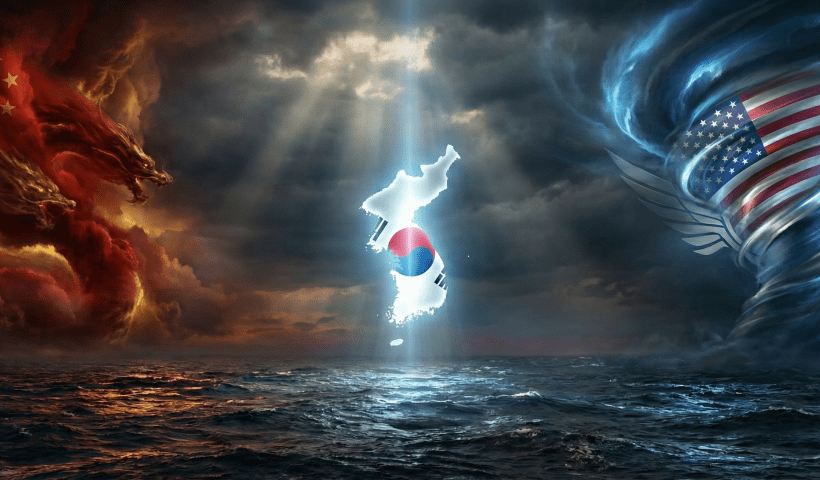
Chatham House: South Korea rethinks its foreign policy: Is it ditching the US for China?

The Chatham House meeting discusses South Korea’s foreign policy under President Lee Jae-myung, emphasizing a pragmatic approach amid complex global dynamics. Key challenges include managing relationships with the U.S., China, and North Korea. The panel examines how the Lee administration navigates geopolitical tensions and seeks to maintain strong international alliances while adapting to rapid changes.
View More Chatham House: South Korea rethinks its foreign policy: Is it ditching the US for China?

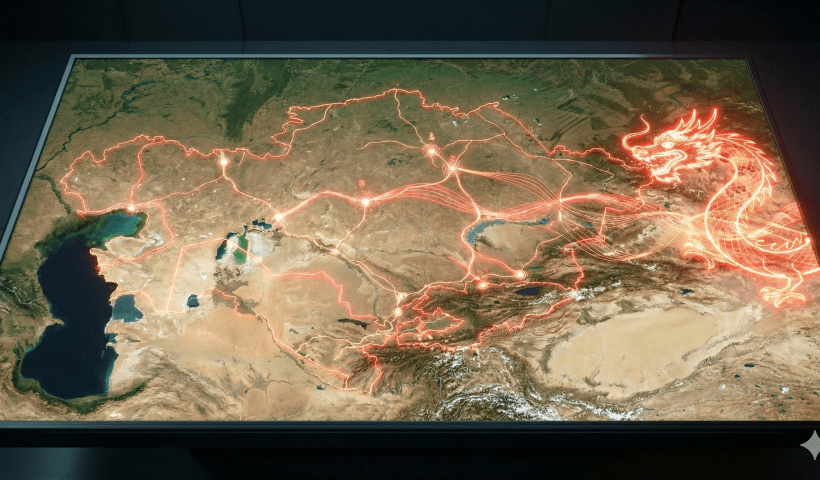
Chatham House: China’s Struggle for Influence in Central Asia. How is Beijing aiming to reshape the region?

The Chatham House meeting, chaired by Annette Bohr, features authors Edward Lemon and Bradley Jardine discussing their book on China’s influence in Central Asia. The conversation encompasses China’s role, historical ties, regional nationalism, and the impact of protests. The complexities of relationships with Russia, the US, and other nations are highlighted, alongside issues of human rights and regional stability.

View More Chatham House: China’s Struggle for Influence in Central Asia. How is Beijing aiming to reshape the region?

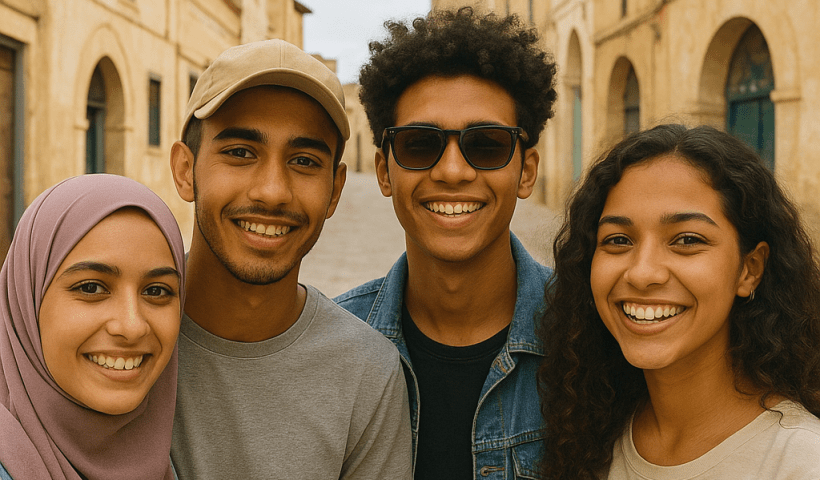
Chatham House: How Gen Z is reshaping protest in North Africa

This Chatham House event is chaired by Hayder Al-Shakeri, MENA Programme. On the panel are: Merissa Khurma, CEO AMENA Strategy, Mondher Tounsi, University of Oxford, Nissrine Ait Haji, Entrepreneur and Youth Activist. This is about how Gen Z are shaping protests in North Africa specifically in Morocco and Tunisia. How…

View More Chatham House: How Gen Z is reshaping protest in North Africa

Chatham House: One year of Syria’s transition: Progress, challenges and prospects

PHOTO: The new Syrian Government Today’s Chatham House meeting is chaired by Raya Jalabi, Middle East Correspondent, Financial Times. On the panel are: Dr Haid Haid, MENA Programme, Rime Allaf, Syrian writer, formerly Chatham House and Dr Ibrahim Al-Assil, Belfer Center, Harvard University. It is a year since the rapid…

View More Chatham House: One year of Syria’s transition: Progress, challenges and prospects

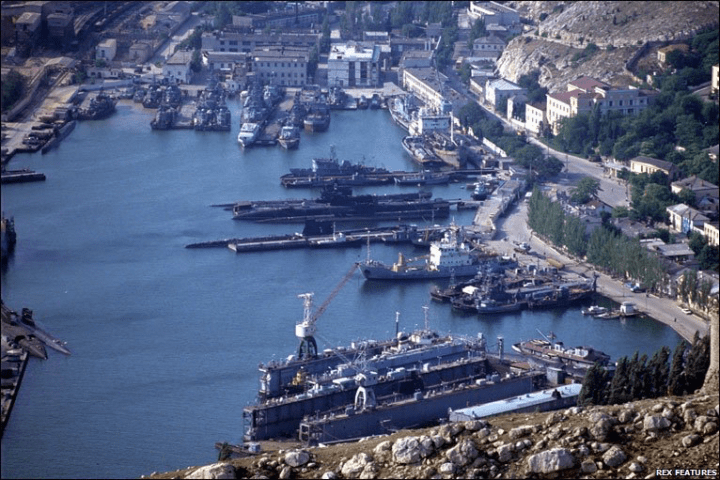
Chatham House: What does Russia want in the Black Sea region?

This Chatham House roundtable discussion is chaired by Hugo Dixon, Reuters. On the panel are: Galip Dalay, Turkey Initiative, MENA Programme and Natalie Sabanadze, Russia and Eurasia Programme. Galip and Natalie have done a report on ‘Russia’s Black Sea Strategy’. The entire European security architecture is under scrutiny in the…

View More Chatham House: What does Russia want in the Black Sea region?

Chatham House: Can the UK afford to fight a war?

The Chatham House event focused on the UK’s defense obligations and spending, highlighting concerns about readiness for potential conflicts, particularly with Russia. Discussions emphasized the need for urgent action to enhance defense capabilities, accountability in spending, and a national dialogue on strategic priorities. Comparisons to Germany and Poland revealed the UK lagging in defense investment.

View More Chatham House: Can the UK afford to fight a war?

Chatham House: How corruption threatens war effort in Ukraine, and what is the remedy?

The Chatham House meeting highlighted Ukraine’s perilous situation amidst military pressure from Russia, energy crises, and a political corruption scandal involving $100 million in kickbacks. The persistence of crony capitalism undermines trust and impacts EU relations. Reforming governance and law enforcement is critical for rebuilding post-war Ukraine and addressing systemic corruption.

View More Chatham House: How corruption threatens war effort in Ukraine, and what is the remedy?

Chatham House: Iraq’s 2025 Elections: What comes next?

The Chatham House event, led by Dr. Renad Mansour, highlighted challenges in Iraq’s upcoming elections, including sectarian politics and government formation. The presidency is expected to be awarded to a Kurdish party, but significant obstacles remain, including political fragmentation and public disillusionment, as citizens seek improved governance and basic services.

View More Chatham House: Iraq’s 2025 Elections: What comes next?

Chatham House: A new multilateralism. How are the UN and other global organizations adapting to a new world?

The Chatham House event discusses the relevance of the United Nations amid global challenges. Speakers Rebeca Grynspan and Sir Mark Lyall Grant emphasize the impact of nationalism, trade wars, and the need for reform. Grynspan, nominated for UN Secretary-General, advocates for proactive diplomacy and the importance of multilateralism in a changing world.

View More Chatham House: A new multilateralism. How are the UN and other global organizations adapting to a new world?

Chatham House: Is Donald Trump right on Belarus?

Donald Trump’s engagement with Belarus’ leader Lukashenka raises concerns about empowering Russia and affecting Ukraine policies. While some view this as a pragmatic approach, critics argue it undermines Western sanctions and strengthens a totalitarian regime. The dynamics surrounding the release of political prisoners highlight ongoing geopolitical complexities and the challenge of promoting democracy in Belarus.

View More Chatham House: Is Donald Trump right on Belarus?

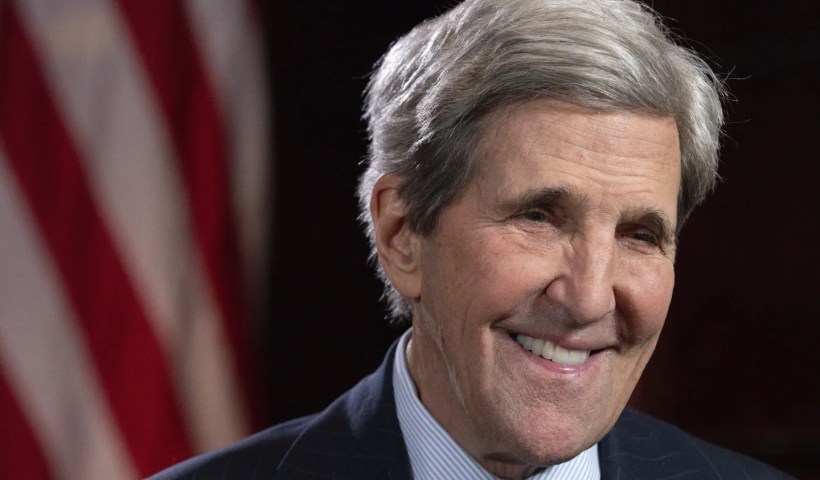
Chatham House: John Kerry, 68th United States Secretary of State, speaks at Chatham House

John Kerry, the former U.S. Secretary of State and Special Presidential Envoy for Climate, spoke at Chatham House post-COP 30. He emphasized urgent climate action, criticizing political denialism and highlighting bipartisan cooperation’s significance. He noted significant progress in clean energy investments and the need for global commitment, particularly from major emitters like China.

View More Chatham House: John Kerry, 68th United States Secretary of State, speaks at Chatham House

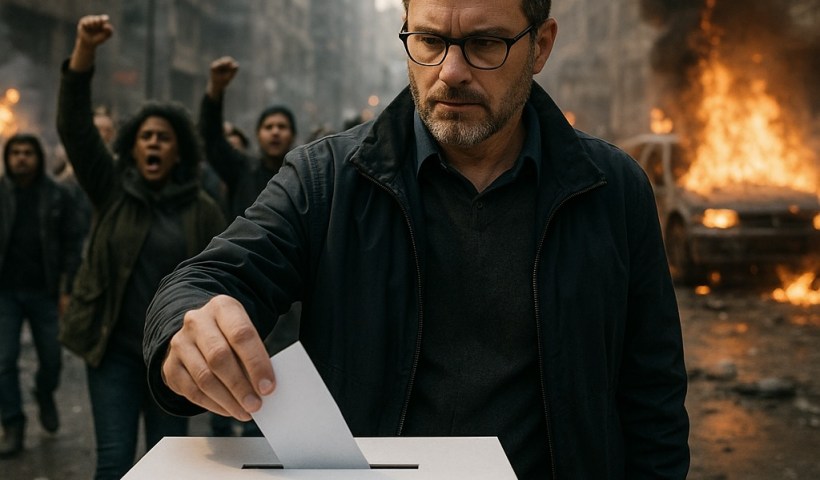
Chatham House: Democratic resilience in a disrupted world

The Chatham House meeting, in collaboration with SNF Agora Institute, discussed the pressures facing democracy today amid rising authoritarianism and declining public confidence. Key topics included youth engagement, technological impact on democratic practices, and the need for practical reforms, particularly in the MENA region. The conversation highlighted the importance of resilience, collective action, and the voices of young people in shaping a more effective democracy.

View More Chatham House: Democratic resilience in a disrupted world

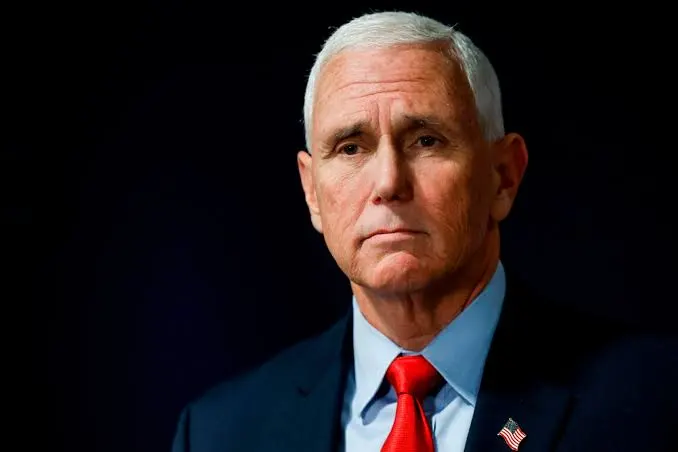
Chatham House: Mike Pence, 48th Vice President of the United States, speaks at Chatham House

Mike Pence shared insights on U.S. foreign policy at Chatham House, emphasizing the importance of strong transatlantic ties amid rising global tensions with Russia and China. He highlighted the need for America to lead while addressing issues like public debt and immigration reform. Pence asserted that strong alliances and values are crucial for global stability.

View More Chatham House: Mike Pence, 48th Vice President of the United States, speaks at Chatham House

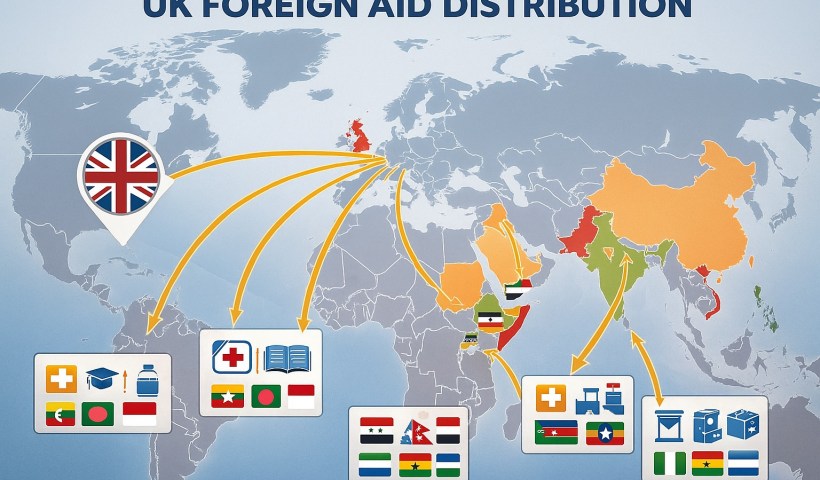
Chatham House: Aid in an age of security: What should the UK’s global priorities be?

The meeting discusses the UK’s aid budget amid global aid cuts, primarily due to reduced US funding. Speakers emphasize the geopolitical impact, highlighting how aid affects conflict resolution, health, and climate issues. They call for renewed commitment to development, addressing poverty, and the need for a cohesive international framework, especially regarding the UN.

View More Chatham House: Aid in an age of security: What should the UK’s global priorities be?

Chatham House: Turkey’s evolving role in Libya

Recent violence in Libya highlights Turkey’s growing political and military influence there. Turkey aims to be a regional power, pursuing security assistance and economic interests. Despite temporary conflict resolution efforts, tensions persist, raising concerns about a potential war. Turkey faces dilemmas with local power dynamics while navigating complex foreign relationships and corruption risks.

View More Chatham House: Turkey’s evolving role in Libya