
Articles
-
Putin’s War Machine Could Outlast the War in Ukraine

The debate surrounding Russia assumes its military and economy will eventually collapse, ending the war in Ukraine. However, Russia’s capacity for prolonged confrontation remains concerning. Even if fighting ceases, the existing military infrastructure could persist, posing future threats. Strategic support for Ukraine is essential to deter further aggression and ensure lasting peace. Continue reading
-
Do the Drug Cartels of Mexico Form a Shadow Government?

In Mexico, drug cartels exhibit significant authority over local communities, often resembling a shadow government. However, they operate within a complex system of overlapping criminal and governmental powers rather than a singular hidden administration. Understanding this distinction is crucial for addressing cartel influence and restoring legitimate public authority. Continue reading
-
Why I Believe Wales Is Worse Off Without Welsh Labour in Power

Wales has entered a new political era following the May Senedd election, with Plaid Cymru and Reform UK gaining seats while Labour’s influence diminished. While Labour’s past initiatives like free prescriptions and school meals reflect significant achievements, concerns arise about the new government’s focus on constitutional issues over public services, potentially jeopardizing household security. Continue reading
-
Is Xi Jinping the Most Powerful Leader in the World?
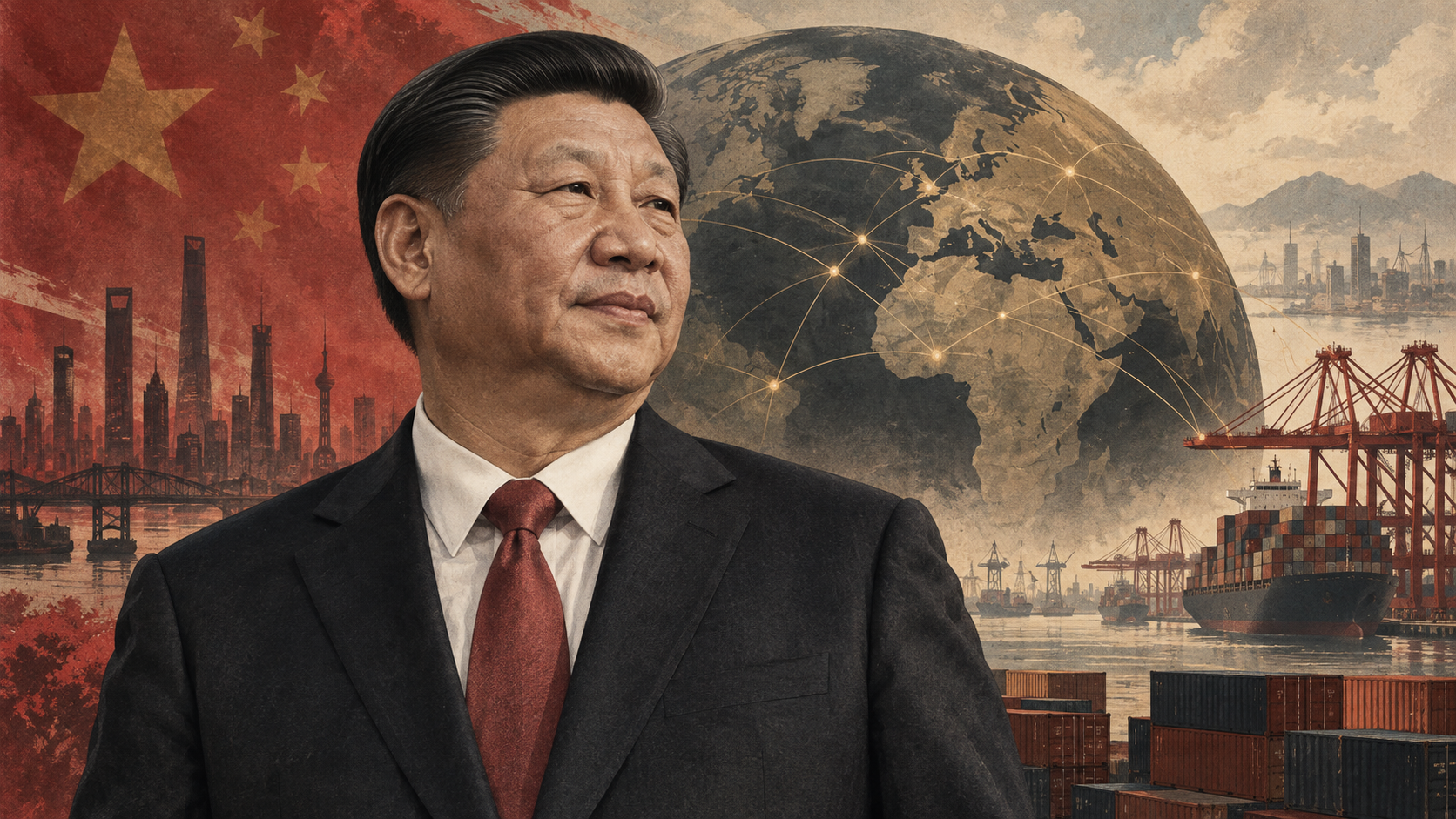
The American president is often seen as the world’s most powerful leader, but Xi Jinping’s concentration of authority and China’s global influence challenge this notion. While Xi’s personal control is significant, his effectiveness in achieving results remains contested. Both leaders face distinct advantages and limitations in their respective powers. Continue reading
-
Russia After Putin: What Could Come Next?
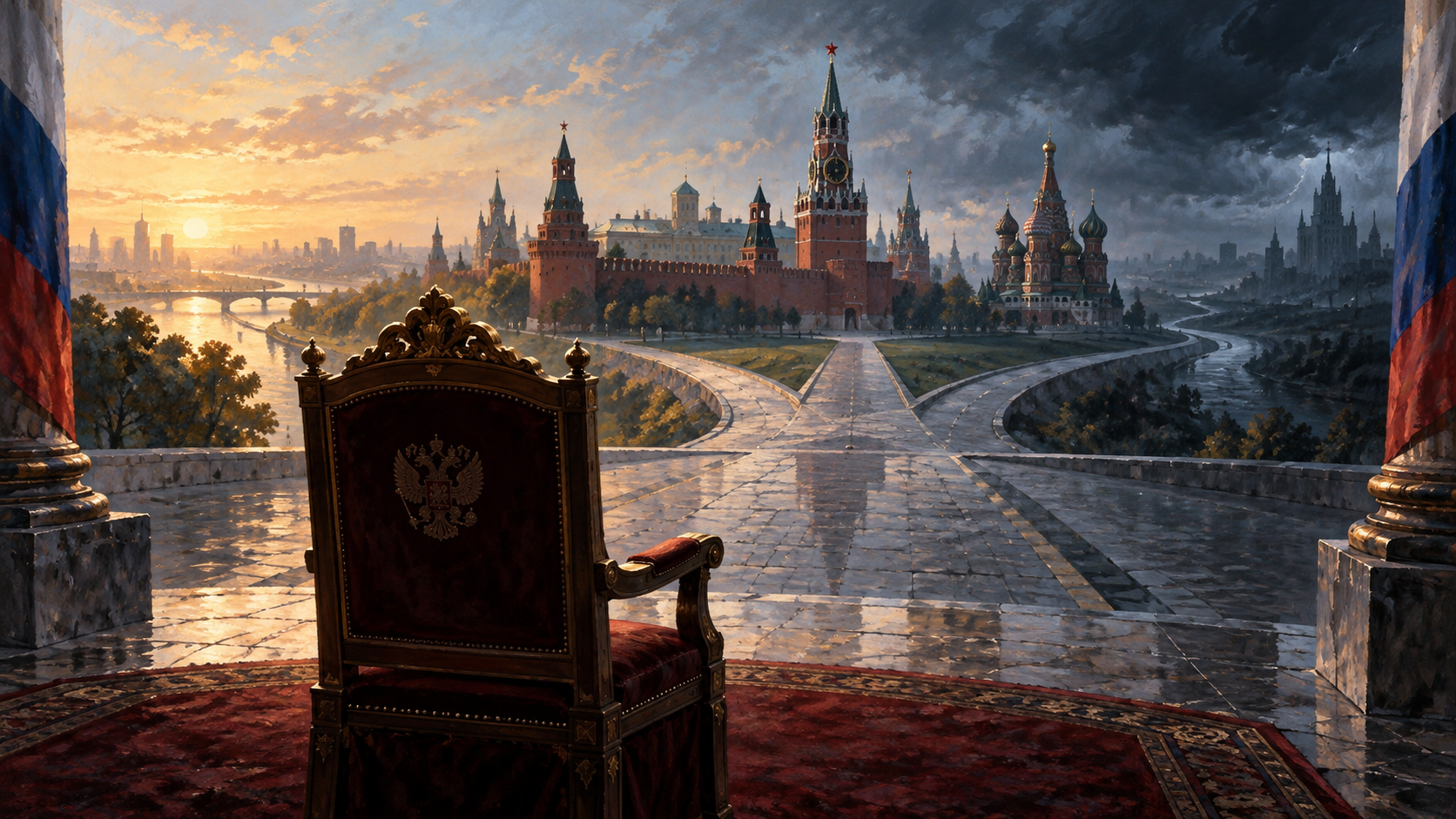
The future of Russia post-Putin is uncertain, with outcomes ranging from continued authoritarianism to a potential democratic opening. Leadership transitions could either stabilize existing structures or spark contention among power centers. Ultimately, the nature of Putin’s departure will influence whether Russia adopts a more open society or maintains its oppressive regime. Continue reading
-
How likely is a two-state solution for Israel and Palestine?

The two-state solution to the Israeli-Palestinian conflict is desirable but unlikely in the near term due to political and territorial obstacles, particularly settlement expansion. Achieving peace requires significant changes in leadership, security, and international involvement. Without addressing these challenges, a viable Palestinian state remains elusive, risking ongoing conflict. Continue reading
-
Iraola’s Liverpool: reasons to believe, plenty still to prove

Andoni Iraola’s Liverpool has begun the season unbeaten, with four wins, three draws, and nine points from five matches. While promising individual performances and improvements in defense are evident, the team struggles with slow starts and creates insufficient chances. Fans seek consistent performances and a shift from draws to wins. Continue reading
-
Why Cuba’s Communist Party Has Endured — and Where It Has Succeeded

Cuba’s Communist Party, in power since the 1959 revolution, showcases remarkable durability through national identity, social investments, and adaptive strategies despite economic hardships and external pressures like the U.S. embargo. Achievements in healthcare and education highlight its success, but challenges to political legitimacy persist as citizens seek greater freedoms and economic opportunities. Continue reading
-
From Conflict to Community: How Former FARC Members Are Building Peace in Colombia

Colombia’s 2016 peace agreement with FARC has led to thousands of former guerrillas engaging in civilian life and creating community opportunities. While the transition remains ongoing, many are successfully establishing businesses and fostering relationships with former adversaries. These efforts, exemplified through agriculture and tourism, symbolize hope for Colombia’s future despite ongoing challenges. Continue reading
-
Britain Would Be Better Off Back in the European Union

The UK should consider rejoining the European Union to improve economic opportunities, enhance individual freedoms, and regain influence on decisions affecting citizens’ lives. Brexit has created trade barriers that have negatively impacted productivity and living standards. Rejoining could offer broader choices for citizens and foster better cultural exchange while acknowledging necessary compromises in sovereignty. Continue reading
Useful & Complete, Cheers !!! 🙏😋🤠👽👾🙌👍
… reposted this!
… reposted this!
… reposted this!

[…] What Is Acid House Music? The Sound That Changed Clubs […]