
International Relations
-
Whanganui River: The First River in the World to Become a Legal Person

In March 2017, New Zealand’s Whanganui River was granted legal personhood, transforming how law interacts with nature. This recognition reflects deep cultural ties for the Whanganui iwi, emphasizing a relationship forged over generations. The legal status invites a fresh perspective on environmental protection, prioritizing the river’s health alongside human needs. Continue reading
-
Postcolonialism in International Relations: How Empire Still Shapes World Politics

Postcolonialism examines the lasting impact of colonialism on international relations, questioning how history shapes current inequalities and power dynamics between nations. It encourages reflection on whose experiences inform our understanding of global politics, emphasizing that legal independence does not equate to genuine economic control or agency. Continue reading
-
Constructivism in International Relations: How Ideas Shape World Politics
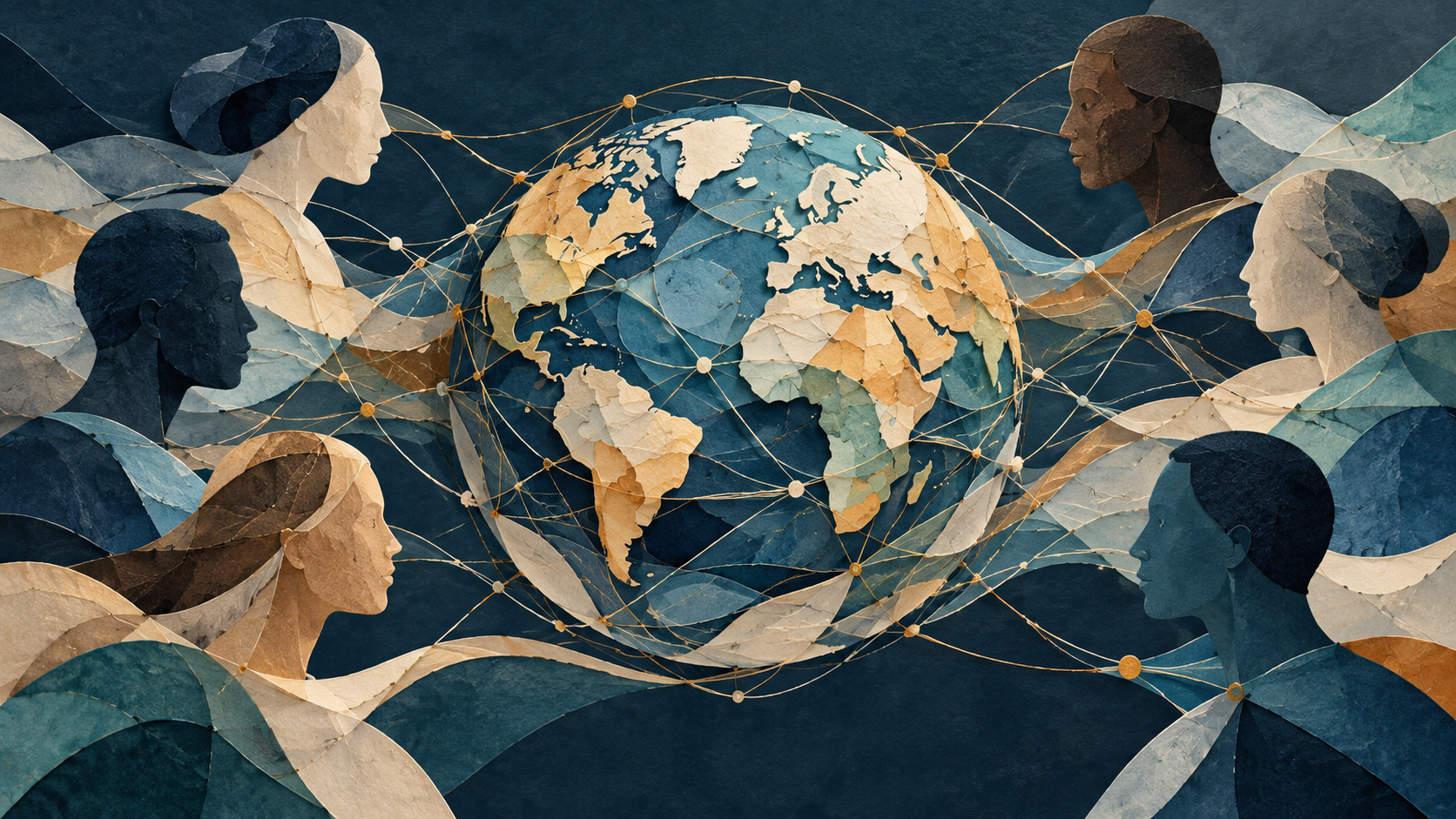
Constructivism in International Relations examines how social constructs, such as identity and shared beliefs, shape political interests and relationships between states. It emphasizes that perceptions of security and norms evolve through interaction and learning. By analyzing these constructs, we can better understand foreign policy decisions and international dynamics beyond mere power politics. Continue reading
-
Liberalism in International Relations: Can Cooperation Overcome Conflict?

Liberalism in International Relations emphasizes the role of political institutions, economic ties, and societal interests in promoting cooperation between states. It argues that lasting peace is possible through accountable governance and international organizations, overcoming the anarchic nature of global politics. Key concepts include democratic peace and economic interdependence, though challenges remain in ensuring fair cooperation. Continue reading
-
Realism in International Relations: Power, Security and the Limits of Idealism

Realism in International Relations examines why countries prepare for war despite advocating for peace, viewing international politics through the lens of power and state interests. It introduces concepts like the security dilemma and balance of power while highlighting various realist theories. However, it may oversimplify complex political dynamics by focusing solely on state behavior. Continue reading
-
Putin’s War Machine Could Outlast the War in Ukraine

The debate surrounding Russia assumes its military and economy will eventually collapse, ending the war in Ukraine. However, Russia’s capacity for prolonged confrontation remains concerning. Even if fighting ceases, the existing military infrastructure could persist, posing future threats. Strategic support for Ukraine is essential to deter further aggression and ensure lasting peace. Continue reading
-
Do the Drug Cartels of Mexico Form a Shadow Government?

In Mexico, drug cartels exhibit significant authority over local communities, often resembling a shadow government. However, they operate within a complex system of overlapping criminal and governmental powers rather than a singular hidden administration. Understanding this distinction is crucial for addressing cartel influence and restoring legitimate public authority. Continue reading
-
Is Xi Jinping the Most Powerful Leader in the World?
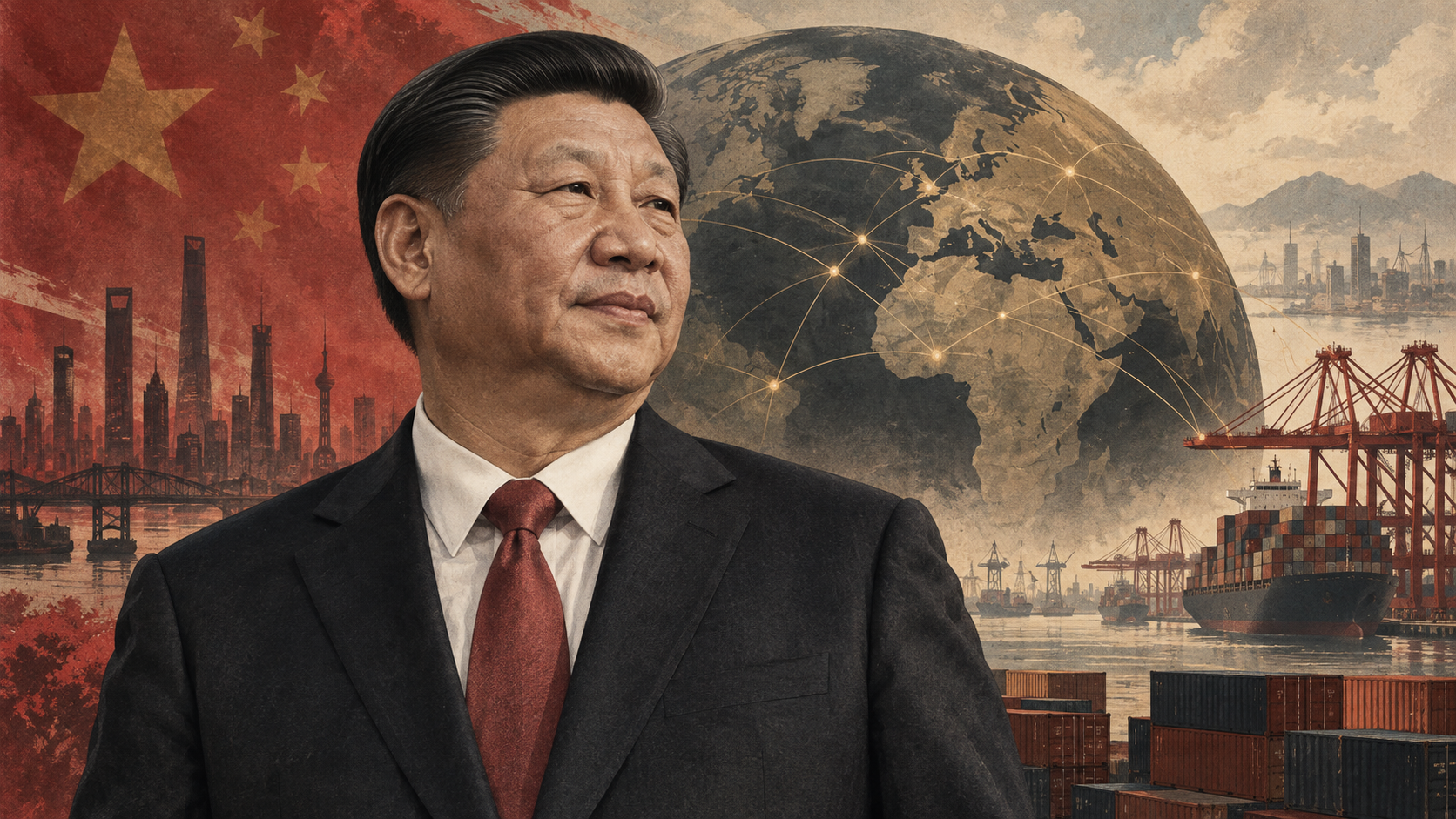
The American president is often seen as the world’s most powerful leader, but Xi Jinping’s concentration of authority and China’s global influence challenge this notion. While Xi’s personal control is significant, his effectiveness in achieving results remains contested. Both leaders face distinct advantages and limitations in their respective powers. Continue reading
-
Russia After Putin: What Could Come Next?
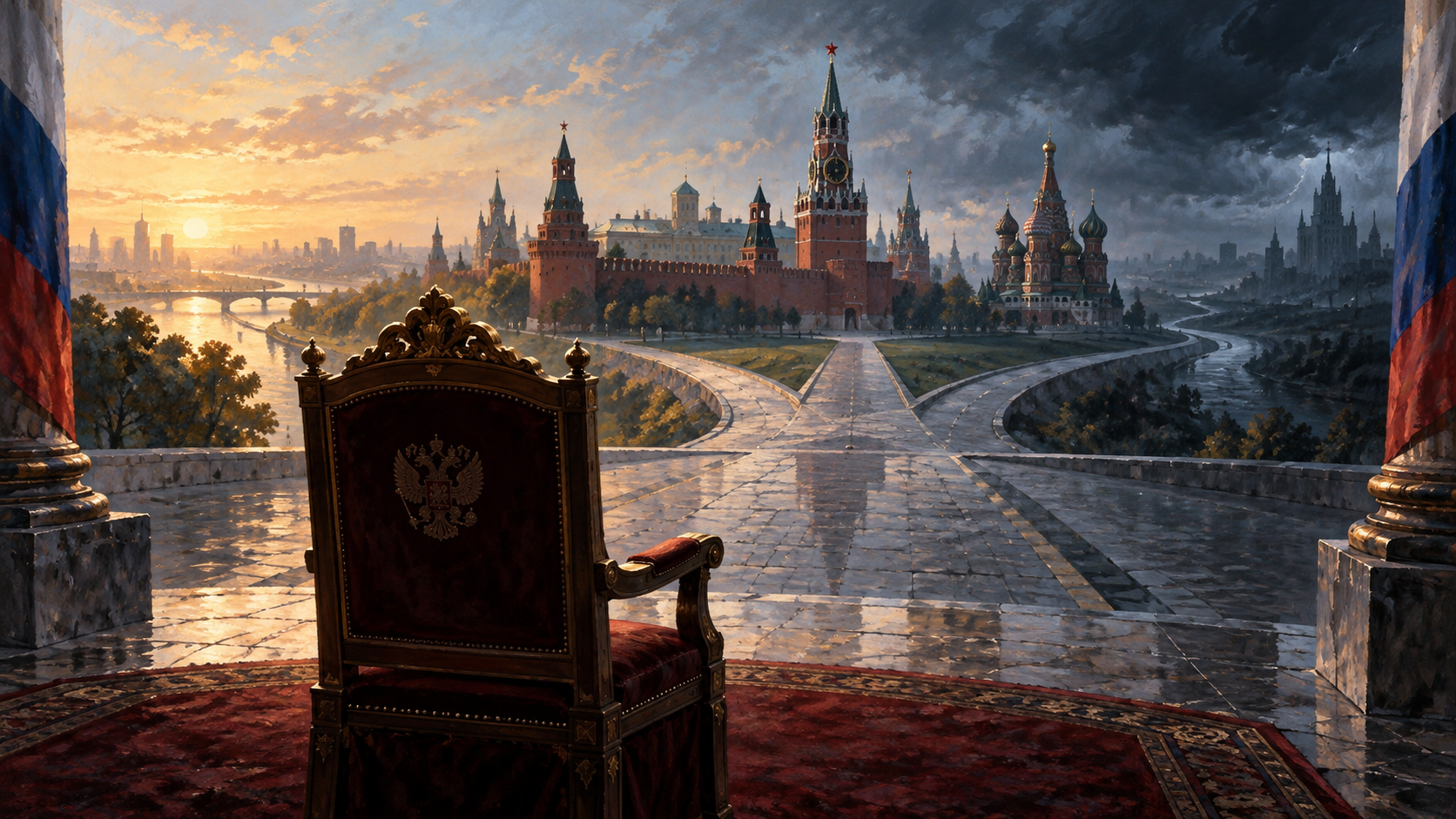
The future of Russia post-Putin is uncertain, with outcomes ranging from continued authoritarianism to a potential democratic opening. Leadership transitions could either stabilize existing structures or spark contention among power centers. Ultimately, the nature of Putin’s departure will influence whether Russia adopts a more open society or maintains its oppressive regime. Continue reading
-
How likely is a two-state solution for Israel and Palestine?

The two-state solution to the Israeli-Palestinian conflict is desirable but unlikely in the near term due to political and territorial obstacles, particularly settlement expansion. Achieving peace requires significant changes in leadership, security, and international involvement. Without addressing these challenges, a viable Palestinian state remains elusive, risking ongoing conflict. Continue reading
Useful & Complete, Cheers !!! 🙏😋🤠👽👾🙌👍
… reposted this!
… reposted this!
… reposted this!

[…] What Is Acid House Music? The Sound That Changed Clubs […]