
Wez G World
-
Fairford Changes the Argument: The Case for British Military Action Against Iran

Britain’s first duty is to protect its people and its territory. When a foreign state is assessed to have directed hostile activity near a military base in England, the government must consider whether its existing response is strong enough. The incident near RAF Fairford on 27 September has brought that question into sharp focus. On… Continue reading
-
Could Further Devolution Put Britain’s UN Security Council Seat at Risk?
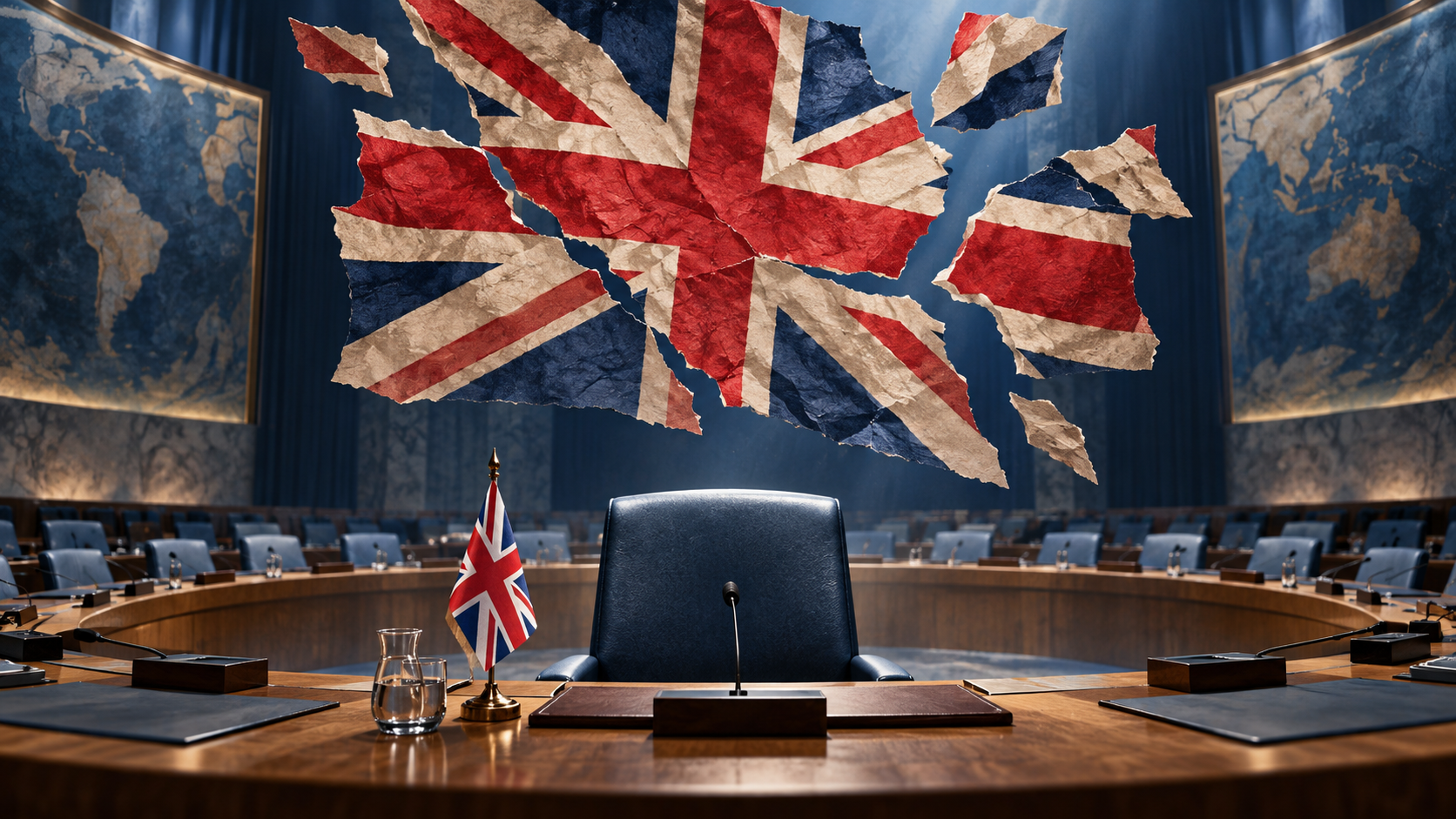
The debate on devolution in the UK raises concerns about its potential impact on Britain’s UN Security Council seat. While further devolution might not directly threaten this status, a contested breakup could jeopardize it. The challenge lies in maintaining unity and continuity, ensuring that Britain’s international influence remains intact amidst constitutional changes. Continue reading
-
NATO’s Bombing of Serbia Was a Failure of European Fraternity

Europe’s promise must be that its peoples can live together without fear of persecution, expulsion or bombardment. That promise applies equally to a family in Belgrade and a family in Pristina. It cannot depend on which government rules them, which language they speak or which military alliance claims to represent their interests. Measured against that… Continue reading
-
Putin’s War Machine Could Outlast the War in Ukraine

The debate surrounding Russia assumes its military and economy will eventually collapse, ending the war in Ukraine. However, Russia’s capacity for prolonged confrontation remains concerning. Even if fighting ceases, the existing military infrastructure could persist, posing future threats. Strategic support for Ukraine is essential to deter further aggression and ensure lasting peace. Continue reading
-
Do the Drug Cartels of Mexico Form a Shadow Government?

In Mexico, drug cartels exhibit significant authority over local communities, often resembling a shadow government. However, they operate within a complex system of overlapping criminal and governmental powers rather than a singular hidden administration. Understanding this distinction is crucial for addressing cartel influence and restoring legitimate public authority. Continue reading
-
Is Xi Jinping the Most Powerful Leader in the World?
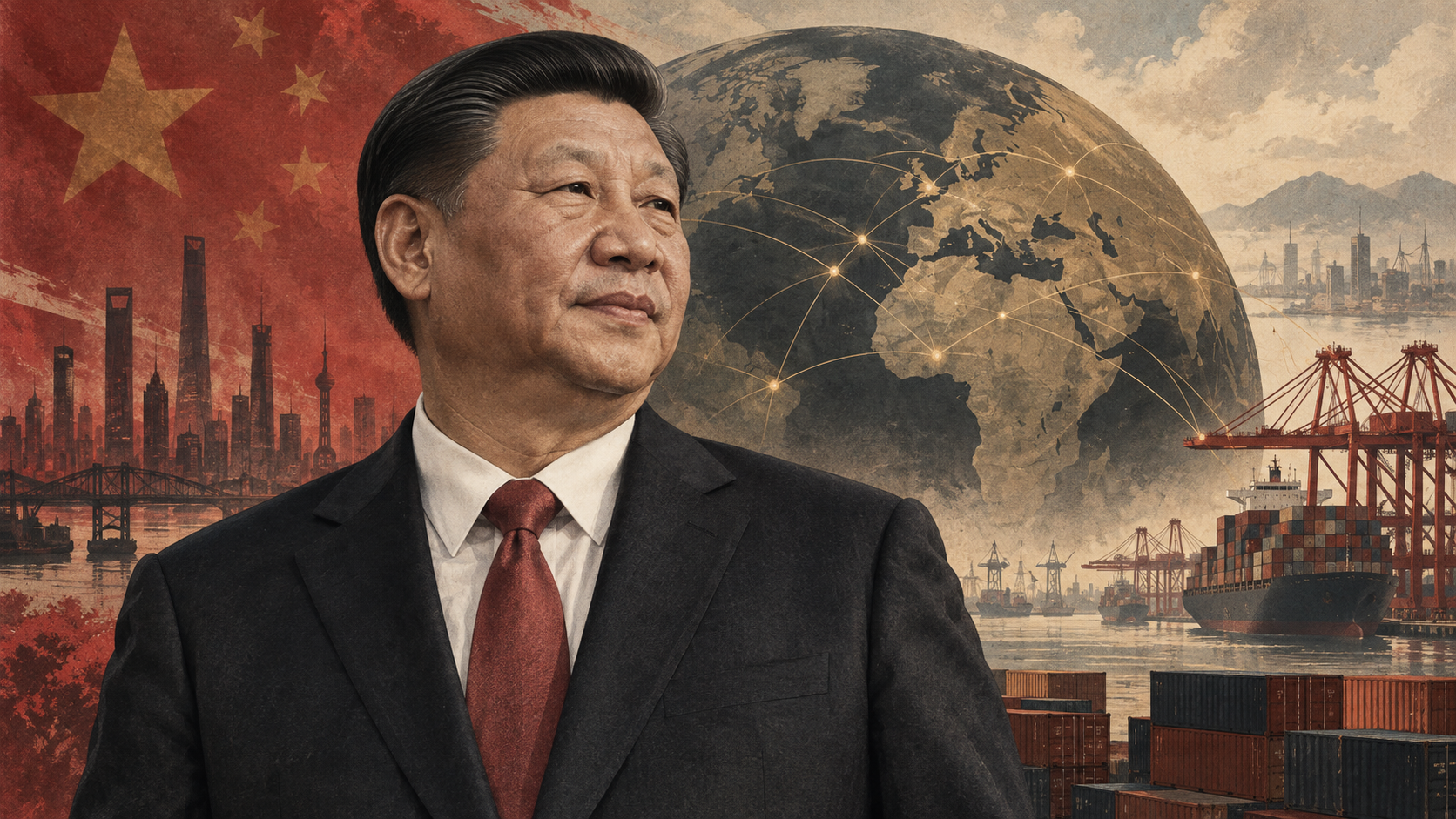
The American president is often seen as the world’s most powerful leader, but Xi Jinping’s concentration of authority and China’s global influence challenge this notion. While Xi’s personal control is significant, his effectiveness in achieving results remains contested. Both leaders face distinct advantages and limitations in their respective powers. Continue reading
-
Russia After Putin: What Could Come Next?

The future of Russia post-Putin is uncertain, with outcomes ranging from continued authoritarianism to a potential democratic opening. Leadership transitions could either stabilize existing structures or spark contention among power centers. Ultimately, the nature of Putin’s departure will influence whether Russia adopts a more open society or maintains its oppressive regime. Continue reading
-
How likely is a two-state solution for Israel and Palestine?

The two-state solution to the Israeli-Palestinian conflict is desirable but unlikely in the near term due to political and territorial obstacles, particularly settlement expansion. Achieving peace requires significant changes in leadership, security, and international involvement. Without addressing these challenges, a viable Palestinian state remains elusive, risking ongoing conflict. Continue reading
-
Why Cuba’s Communist Party Has Endured — and Where It Has Succeeded
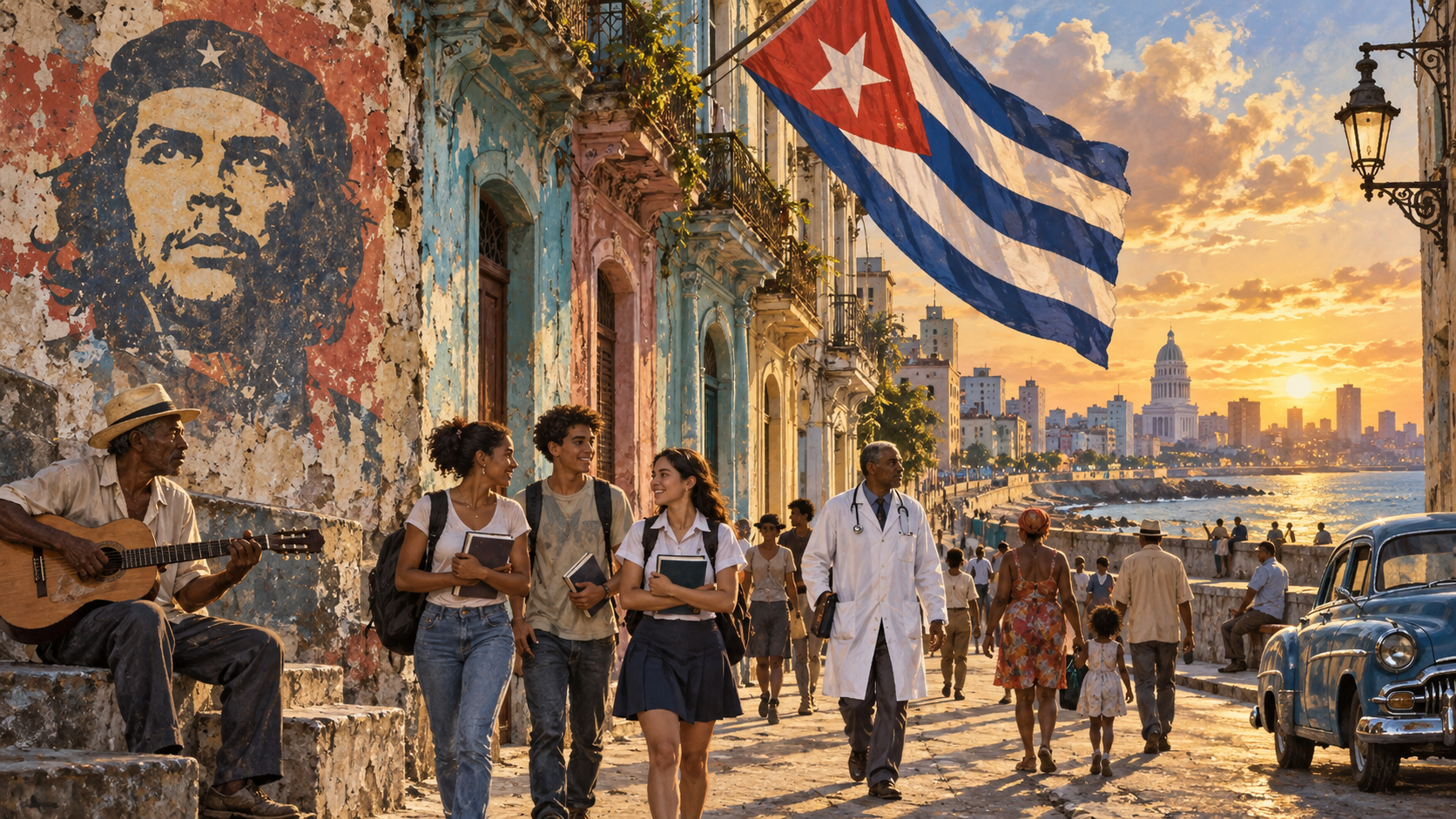
Cuba’s Communist Party, in power since the 1959 revolution, showcases remarkable durability through national identity, social investments, and adaptive strategies despite economic hardships and external pressures like the U.S. embargo. Achievements in healthcare and education highlight its success, but challenges to political legitimacy persist as citizens seek greater freedoms and economic opportunities. Continue reading
-
From Conflict to Community: How Former FARC Members Are Building Peace in Colombia

Colombia’s 2016 peace agreement with FARC has led to thousands of former guerrillas engaging in civilian life and creating community opportunities. While the transition remains ongoing, many are successfully establishing businesses and fostering relationships with former adversaries. These efforts, exemplified through agriculture and tourism, symbolize hope for Colombia’s future despite ongoing challenges. Continue reading
Useful & Complete, Cheers !!! 🙏😋🤠👽👾🙌👍
… reposted this!
… reposted this!
… reposted this!

[…] What Is Acid House Music? The Sound That Changed Clubs […]