
Communism
-
Is Xi Jinping the Most Powerful Leader in the World?
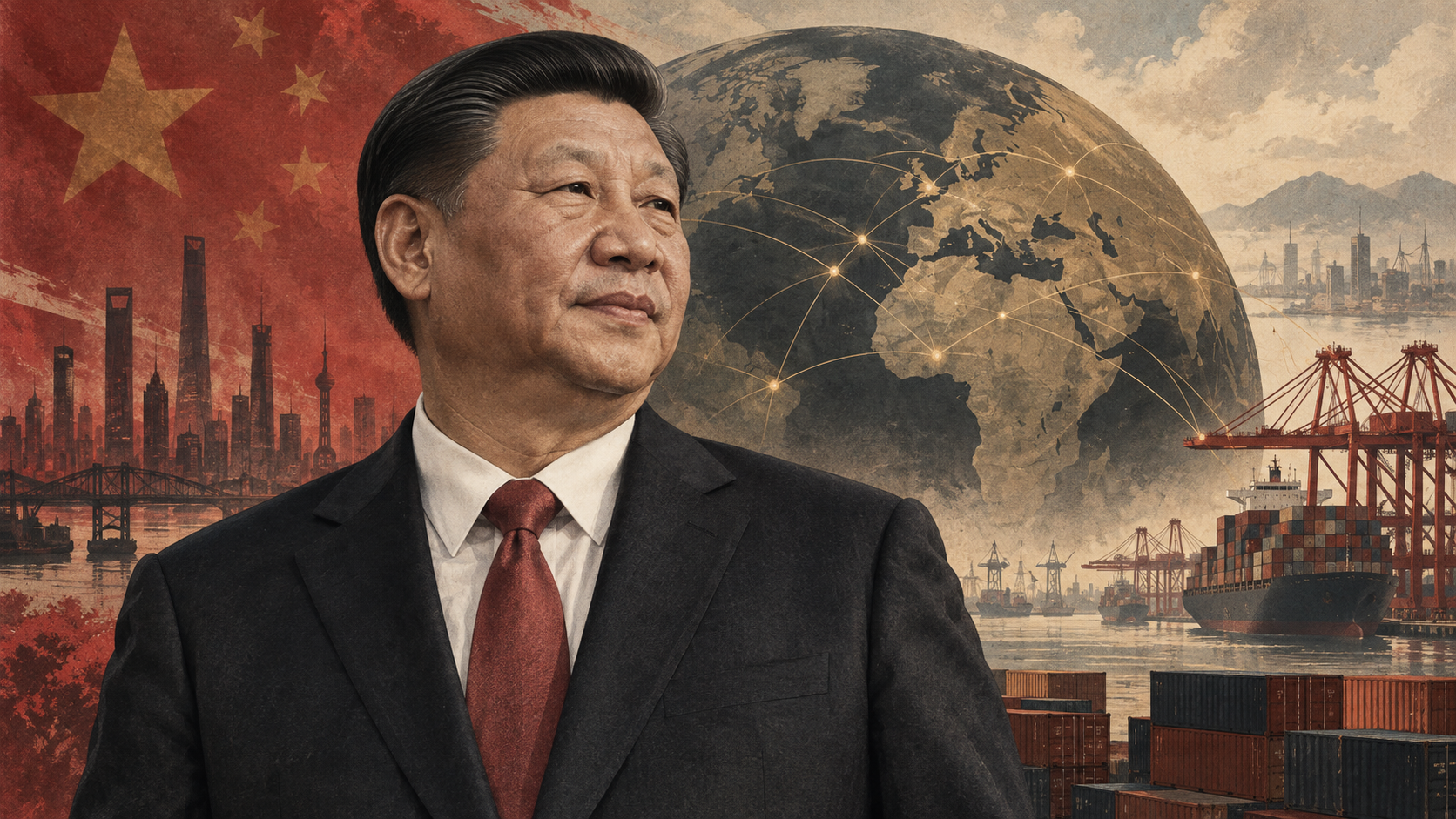
The American president is often seen as the world’s most powerful leader, but Xi Jinping’s concentration of authority and China’s global influence challenge this notion. While Xi’s personal control is significant, his effectiveness in achieving results remains contested. Both leaders face distinct advantages and limitations in their respective powers. Continue reading
-
Why Cuba’s Communist Party Has Endured — and Where It Has Succeeded
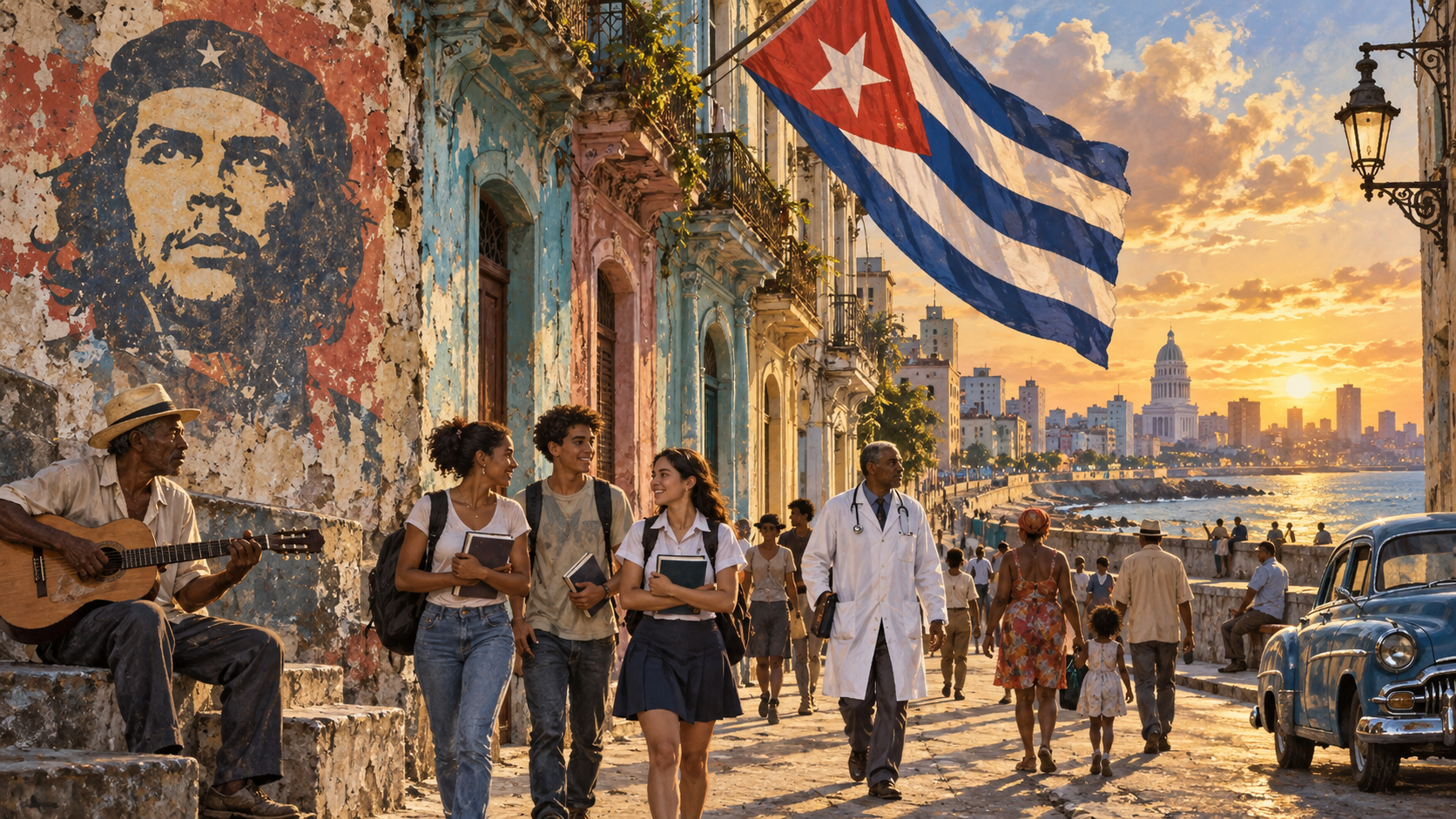
Cuba’s Communist Party, in power since the 1959 revolution, showcases remarkable durability through national identity, social investments, and adaptive strategies despite economic hardships and external pressures like the U.S. embargo. Achievements in healthcare and education highlight its success, but challenges to political legitimacy persist as citizens seek greater freedoms and economic opportunities. Continue reading
-
From Conflict to Community: How Former FARC Members Are Building Peace in Colombia

Colombia’s 2016 peace agreement with FARC has led to thousands of former guerrillas engaging in civilian life and creating community opportunities. While the transition remains ongoing, many are successfully establishing businesses and fostering relationships with former adversaries. These efforts, exemplified through agriculture and tourism, symbolize hope for Colombia’s future despite ongoing challenges. Continue reading
-
Review: Belt and Road: A Chinese World Order – by Bruno Maçães
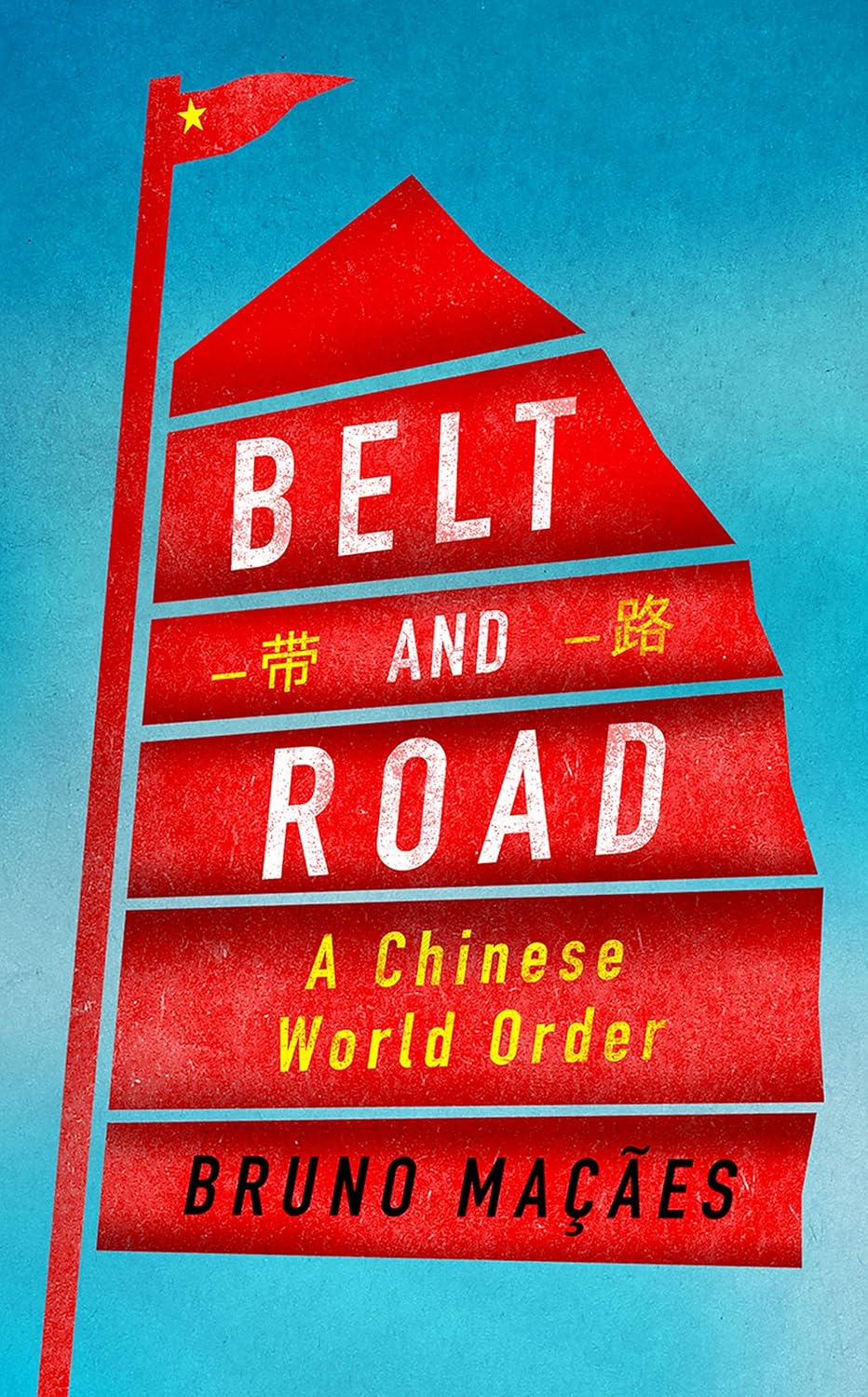
The Belt and Road Initiative, launched by China in 2013, is a transformative foreign policy project aimed at enhancing China’s global influence through trade routes reminiscent of the Silk Road. While it has received mixed responses, particularly from Western nations, it offers countries alternatives to Western hegemony, promoting economic development but also raising geopolitical tensions,… Continue reading
Africa, Asia, Asia-PAcific, Australia, Beijing, Belt and Road, Belt and Road initiative, Bruno Maçães, CCP, Central Asia, China, Chinese, Chinese Communist Party, civilization, Communism, Communist, democracy, Europe, European Union, France, Geopolitics, Germany, gunpowder, Human rights, Hungary, India, International Relations, Japan, Kazakhstan, liberalism world order, Marco Polo, Middle Corridor, Military, mother country, Naples, One Belt One Road, Pakistan, paper, PLA, ports, Putin, Realpolitik, Red Army, Russia, Silk Road, trade, US hegemony, USA, Vladimir Putin, Western, Xi Jinping -
Review: The Oxford History of Modern China – by Jeffrey N. Wasserstrom
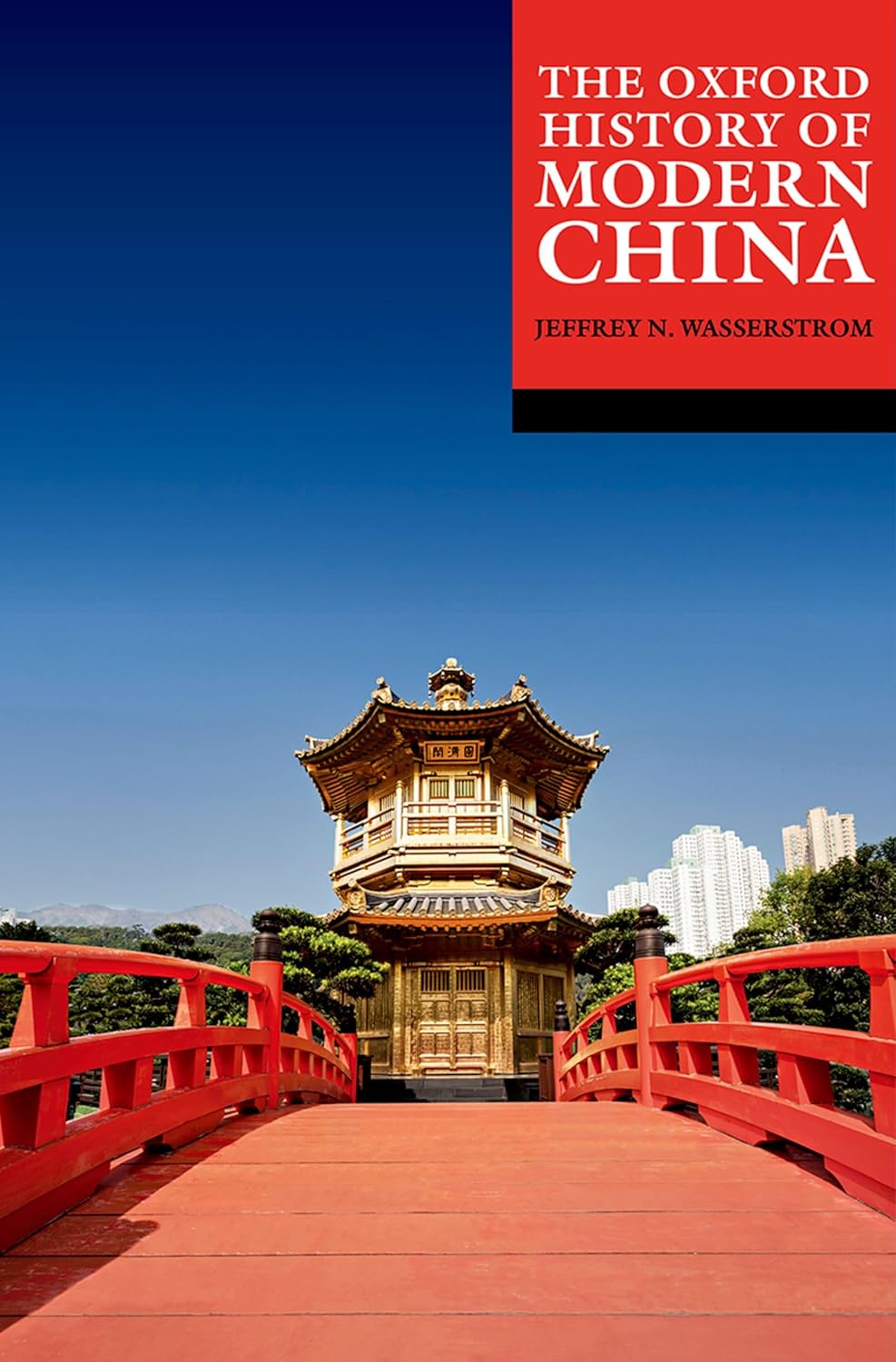
The content outlines China’s historical journey from the late Ming dynasty to the modern era under President Xi Jinping. It emphasizes key events such as the Qing dynasty, opium wars, rise of communism, and China’s transformation into a global superpower. The book serves as an accessible introduction to understanding China’s contemporary significance. Continue reading
Belt and Road initiative, British East India Company, Buddhism, CCP, century of humiliation, chiang kai-shek, China, Chinese Communist Party, Chinese Emperor, cold war, Communism, Communist, cultural revolution, Deng Xiaoping, Great Leap Forward, Han, henry kissinger, Hong Kong, India, Kuomintang, Manchu, mao, mao tse-tung, mao zedong, Ming, One child policy, opium, Opium Wars, President Nixon, Qing, Red Army, reforms, Sino-Soviet Split, Soviet Union, Stalin, Sun Yat-Sen, Tianamen Square, United Nations, US hegemony, USA, Whie Lotus, World War 2, WTO, Xi Jinping -
Review: Quotations from Chairman Mao Tse-Tung “Little Red Book”
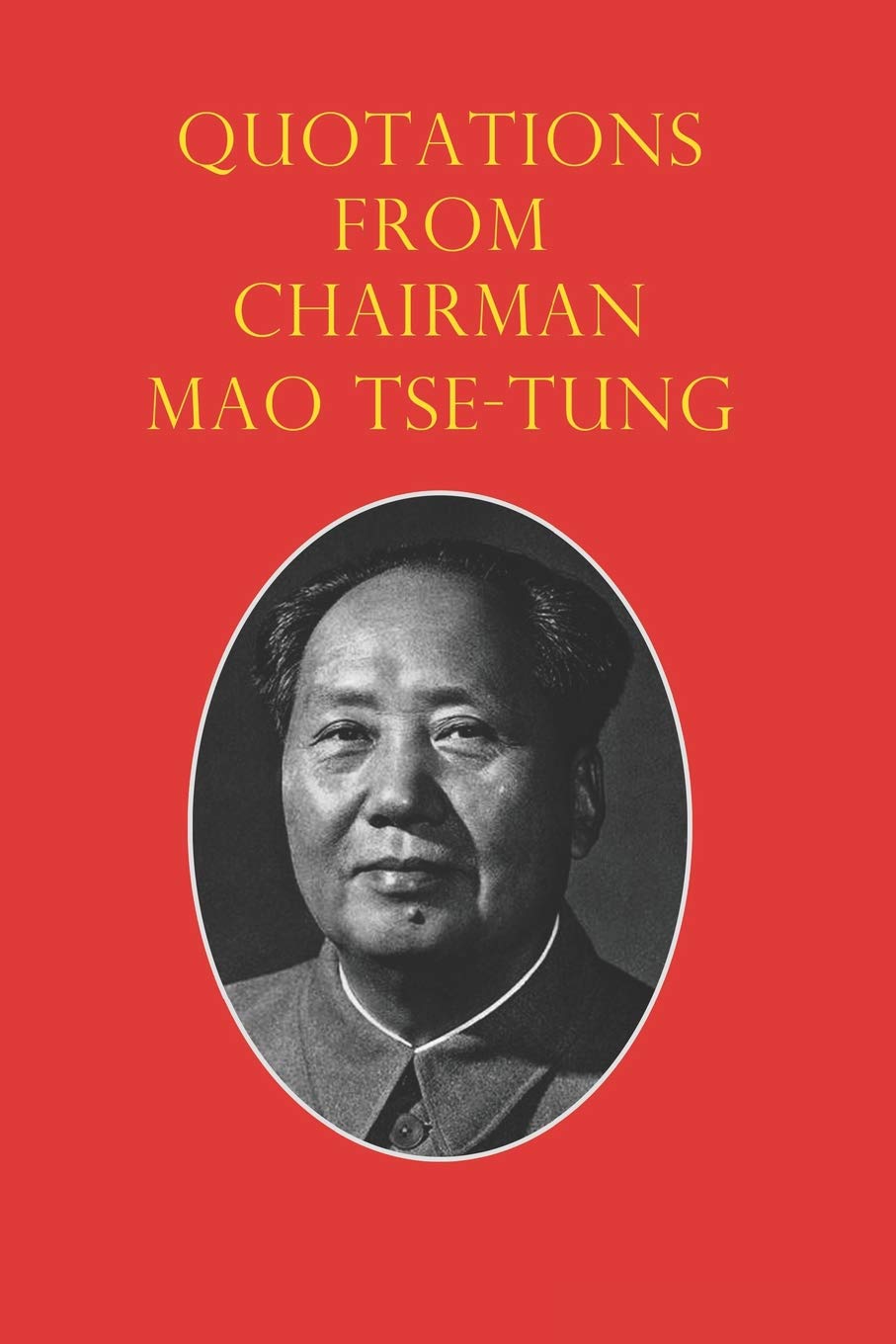
Chairman Mao remains a polarizing historical figure and key communist thinker alongside Marx and Lenin. The ‘Little Red Book’ is a widely influential text that shaped leftist movements globally, emphasizing the importance of the masses in history. Despite Mao’s controversial legacy, the book’s simple yet profound ideas continue to provoke thought and discussion. Continue reading
Blog, Book Review, Dragon Translate, Foreign Languages, International Relations, Military, Politics, Wez G Politics1960s, AMerica, Bible, CCP, China, Chinese, Chinese Communist Party, civil rights movement, Communism, Communist, counter culture, cultural revolution, Engels, Great Leap Forward, hippies, Lenin, little red book, mao, mao tse-tung, mao zedong, Marcus Aurelius, Marx, marxism, Meditations, minorities, philosophy, racism, Revolution, Revolutionary, Roman, Roman Emperor, Stalin, Third World, Xi Jinping -
Cities Produce Inequality

Drawing on material from the Connecting Lives strand, explain how qualitative and quantitative types of evidence can be used to support the claim that cities produce inequality. Inequality in cities exists for a variety of interconnected reasons—economic, historical, political, and social. ‘The wealthiest 10% of households had household wealth of £1,200,500 or more, while the least… Continue reading
BBC, BBC2, Belfast, Black peopl, Booth’s maps, bourgeois, bourgeouasie, catholic, Cities, Communism, Communist, criminal, DD102, Deptford High Street, East London, enclaves, Friedrich Engels, House of Lords, housing, immigration, Inequality, Inequality in cities, Ireland, Irish troubles, London, London Olympics, London slums, Manchester, marginalised, migrants, New York, New York City, New York Street People, NHS, Northern reland, NYC, Office of National Statistics, Olympics, ONS, Open University, parliament, police, poverty, Protestant, Qatar, Qatari DIar, qualitative evidence, quantitative evidence, religion, schools, semi-criminal, slum, slums, social housing, Social Science, socialism, streets of London, urban, urban inequality, urban planners, white, working class -
Review: Moscow Rules: What Drives Russia To Confront The West – by Keir Giles
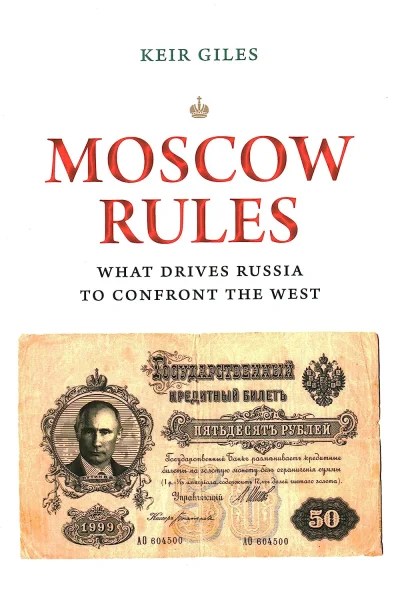
I am a new member of Chatham House, the Royal Institute of International Affairs, in London. On a recent visit, I made use of the vast resources of a very well-stocked library at Chatham House and this book is the first of the loans that I have finished reading. It is apt as Keir Giles… Continue reading
Arab, Armageddon, autocracy, Baltic States, Baltics, border, Brezhnev, buffer, buffer state, Catherine the Great, Chatham House, Christian Missionaries, cold war, Communism, Communist, democracy, diplomat, Europe, foreign policy, geoplotics, Gorbachev, hitler, Keri Giles, KGB, Khrushchev, Kyiv, Little Russia, Mad, middle east, Mikhail Gorbachev, miltary, Moscow, Mother Russia, Napoleon, NATO, Nazi, North America, nuclear war, oligarch, peace, Peter the Great, Propaganda, psychology, Putin, Revolution, Russia, Russia and Eurasia, Russian Revoluution, Soviet Union, the west, thinktank, Tsar, USA, USSR, Vladimir Putin, war -
Guerrilla Heroico
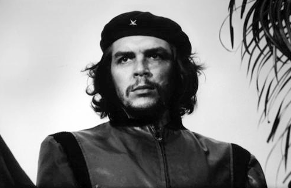
The Cuban Revolution was an earth-shattering event with huge consequences internationally, not just in Latin America, but further afield. I felt the impact myself whilst travelling across Scandinavia in 2005. I’d run out of clean underwear and, while scanning the aisles of a Göteborg department store, I came face to face with a nice, bright… Continue reading
26 julio, 26th July, Africa, Alberto Korda, Argentina, Argentinian, Batista, Bolivar, Bolivarian, Bolivia, Cardiff University, Castro, Che, Che Guevara, Christ, CIA, Communism, Communist, Cuba, cuban, Cuban Revolution, dictatorship, doctor, Ernesto Che Guevara, Fidel, Fidel Castro, Fulgencio Batista, Granma, Guerrilla, Guerrilla Heroico, guerrilla warfare, Havana, Jesus Christ, Jim Fitzpatrick, Latin America, Marx, marxism, Marxist, Military, MLANG, new york times, patria, Politics, Radio, Radio Rebelde, rebel, Revolution, Sierra Maestra, socialism, Soviet Union, terroism, terrorist, urban terrorism, USA, USSR, vanguard -
Happy 100th Birthday Henry Kissinger
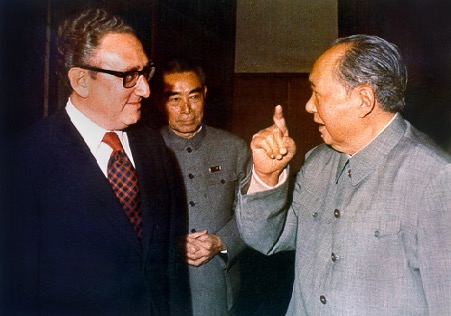
Henry Kissinger, a prominent figure in U.S. foreign policy, celebrated his 100th birthday on May 27, 2023. Known for his role as National Security Advisor and Secretary of State, he is credited with pivotal moments like U.S.-China relations renewal and criticized for human rights issues in Latin America. His insights remain relevant in contemporary geopolitics. Continue reading
100th birthday, Adolf Hitler, alexander the great, Anthony Bourdain, antisemitism, Arab Oil Embargo, Argentina, Artificial Intelligence, Augusto Pinochet, Beijing, Bilderberg Group, Buckingham Palace, Cambodia, carpet-bombing, century, chiang kai-shek, chile, China, China Hugger, Communism, Communist, democracy, Democrat, Donald Trump, Gerald Ford, German, German accent, German Jew, German language, global, Harvard University, henry kissinger, Henry Kissinger 100th Birthday, Hilary Clinton, holocaust, Human rights, intelligence, International Relations, iran, Israel, Jew, Joe Biden, junta, Khmer Rouge, Kremlin, Manhattan, mao zedong, Marco Polo, Napalm, Napoleon, Napoleon Bonaparte, national security, National Security Advisor, Nazi, Nazism, New York, New. York City, noam chomsky, nuclear weapons, Oriental Complex, Orientalist, People's Republic of China, Pol Pot, Political Science, Politics, PRC, President, President Biden, President Ford, President Nixon, President Trump, René Schneider, Republican, Richard Nixon, Russia, Salvador Allende, Secretary of State, serbia, sinophile, socialism, socialist, Strategic Arms Limitation Talks, Strategic Arms Limitation Treaty, The East, The Economist, the west, thesis, Third World War, US Army, US Army Intelligence, US politician, US President, US-China, war crimes, war criminal, White House, World War 2, World War 3, Xi Jinping, Yom Kippur War
Useful & Complete, Cheers !!! 🙏😋🤠👽👾🙌👍
… reposted this!
… reposted this!
… reposted this!

[…] What Is Acid House Music? The Sound That Changed Clubs […]