
Donald Trump
-
A New Yalta? Will Xi, Putin and Trump Divide the World into Spheres of Influence?
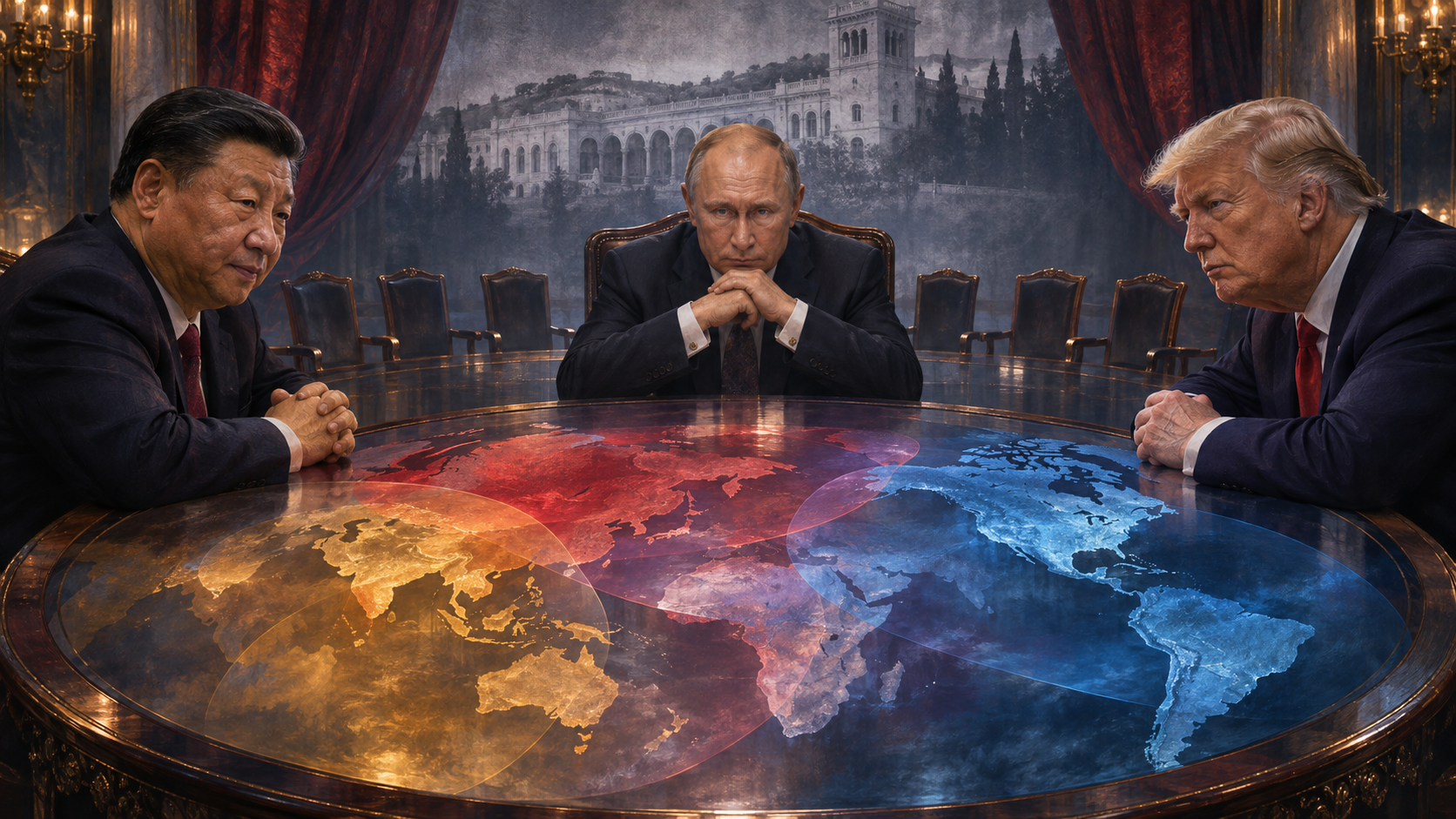
The proposed Xi-Putin-Trump meeting in Shenzhen evokes Yalta, raising fears that major powers could divide the world into spheres of influence. While a formal carve-up is unlikely, gradual bargains could undermine smaller nations’ sovereignty. The summit’s significance will depend on subsequent policies, participation, and whether cooperation protects consent rather than rewarding domination. Continue reading
-
Iran Deserves Freedom: Confronting the Legacy of 1979

The Iranian people deserve a future beyond religious dictatorship, political repression and permanent confrontation with the outside world. The tragedy of the 1979 revolution is that the overthrow of one authoritarian system produced another—one that has made revolutionary ideology an instrument of domestic control and regional interference. My view is that the international community must… Continue reading
-
Trump after the midterms: a lame duck with power to spare

The midterm election results have weakened Donald Trump’s political power, allowing Democrats to gain control of Congress. While this may label him a “lame duck,” he still retains significant executive authority. The next two years will be crucial as he navigates challenges from a more powerful opposition and seeks to maintain influence within his party. Continue reading
-
Europe Has Relied on America for Decades. It Should Stand With Trump Over Iran.
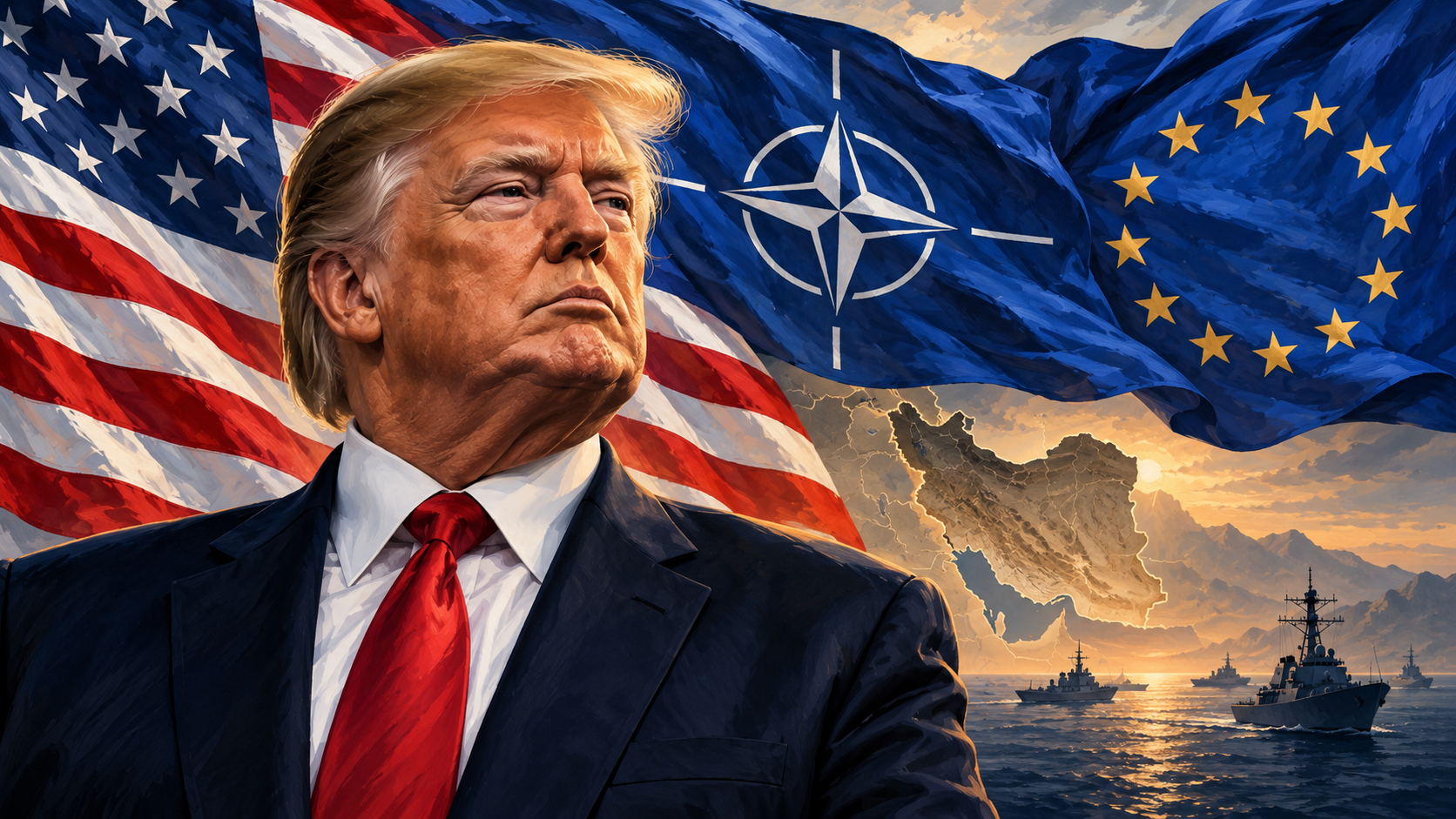
The article discusses the necessity of reciprocal support among NATO allies, particularly in light of President Trump’s conflict with Iran. It emphasizes that Europe must recognize its reliance on American military power and contribute meaningfully, through intelligence sharing and logistical aid, to uphold the alliance and ensure shared security objectives are met. Continue reading
-
Is Xi Jinping the Most Powerful Leader in the World?
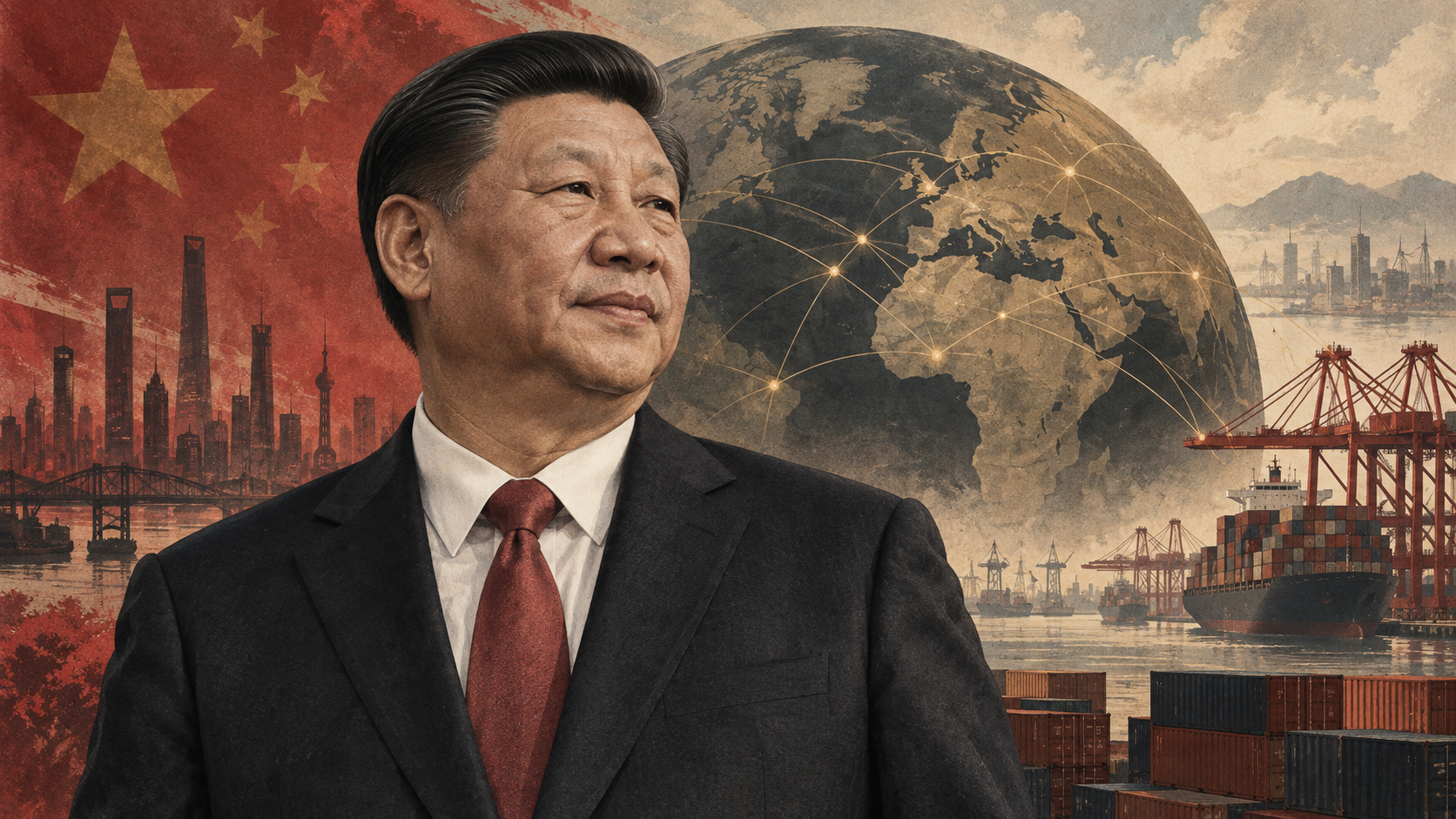
The American president is often seen as the world’s most powerful leader, but Xi Jinping’s concentration of authority and China’s global influence challenge this notion. While Xi’s personal control is significant, his effectiveness in achieving results remains contested. Both leaders face distinct advantages and limitations in their respective powers. Continue reading
-
How Likely Is an American Political Takeover of Canada?

The likelihood of American annexation or military takeover of Canada is extremely low, primarily due to widespread Canadian opposition and constitutional challenges. However, subtle American influence through economic pressure and political interference is already occurring, raising concerns about Canada’s sovereignty. Maintaining independence requires vigilance and resilience against such influences. Continue reading
-
Trump Is Right About a United Ireland — but It Must Be Built by Consent

Donald Trump’s support for Irish unity has reignited a constitutional debate, emphasizing the need for democratic and practical cooperation among all traditions. While his comments bring attention to the topic, unity ultimately depends on the Irish people’s consent. Discussions must focus on genuine inclusivity and careful planning for a shared future. Continue reading
-
Chatham House: Is the Middle East splitting into rival blocs?

The Chatham House meeting, chaired by Dr. Sanim Vakil, focused on the evolving dynamics in the Middle East, particularly the Iran conflict’s impact on regional alliances and stability. Panelists discussed Iran’s resilience, the Gulf States’ perspectives, and the potential long-term geopolitical ramifications amidst escalating rivalries and shifting power balances. Continue reading
-
Chatham House: US at 250: Internationalism vs isolationism – America’s enduring foreign policy debate

The Chatham House meeting, chaired by Laurel Rapp, discusses the evolving landscape of U.S. foreign policy, highlighting the historical tension between internationalism and isolationism. It examines America’s global role, the impact of past presidents, and current public sentiment. Key issues include America’s ability to redefine its foreign approach amid domestic challenges and geopolitical competition. Continue reading
-
Chatham House: South Korea rethinks its foreign policy: Is it ditching the US for China?

The Chatham House meeting discusses South Korea’s foreign policy under President Lee Jae-myung, emphasizing a pragmatic approach amid complex global dynamics. Key challenges include managing relationships with the U.S., China, and North Korea. The panel examines how the Lee administration navigates geopolitical tensions and seeks to maintain strong international alliances while adapting to rapid changes. Continue reading
APEC Summit., Asia-PAcific, Asia-Pacific Programme, Catholic University of Korea, Chatham House, China, Donald Trump, DPRK, Dr Chietigj Bajpaee, Edward Howell, EU, European Union, Hanoi summit, IP4, Japan, K-Pop, Kangyon National University, Kim Jong-un, Korea Foundation Fellow, Korean Peninsula, Kuyoun Chung, Lee Jae-myung, Moscow, NATO, New Zealand, North Korea, Political Science, President Lee, President Trump, Professor of International Relations, Putin, Pyongyang, Royal Marines, Russia, Sanae Takaichi, Sang-Yoon Ma, Seoul, South Asia, South Korea, South Korean soap operas, U.K., Ukraine, United States, Vladimir Putin, Washington
Useful & Complete, Cheers !!! 🙏😋🤠👽👾🙌👍
… reposted this!
… reposted this!
… reposted this!

[…] What Is Acid House Music? The Sound That Changed Clubs […]