
International Relations
-
Ukraine Needs a Route to Peace Beyond Zelenskyy

Replacing Ukraine’s wartime president would not guarantee peace, but a lawful leadership transition might create political space for negotiations. Any change must be constitutional, Ukrainian-led, and conducted when fair participation is possible. A successor would need public legitimacy, a credible peace plan, enforceable security guarantees, and Russia’s cooperation. Continue reading
-
Iran Deserves Freedom: Confronting the Legacy of 1979

The Iranian people deserve a future beyond religious dictatorship, political repression and permanent confrontation with the outside world. The tragedy of the 1979 revolution is that the overthrow of one authoritarian system produced another—one that has made revolutionary ideology an instrument of domestic control and regional interference. My view is that the international community must… Continue reading
-
The European Cities Gaining from China’s New Silk Road

China’s Belt and Road Initiative is strengthening European trade links, benefiting hubs such as Piraeus, Duisburg, Łódź, Budapest and Belgrade. Gains include increased freight, logistics activity and improved infrastructure, but benefits remain uneven. Success depends on local economic integration, sustained demand and geopolitical stability, while promised investments do not always materialize. Continue reading
-
Trump after the midterms: a lame duck with power to spare

The midterm election results have weakened Donald Trump’s political power, allowing Democrats to gain control of Congress. While this may label him a “lame duck,” he still retains significant executive authority. The next two years will be crucial as he navigates challenges from a more powerful opposition and seeks to maintain influence within his party. Continue reading
-
How well can the IRGC withstand a foreign invasion in Iran?
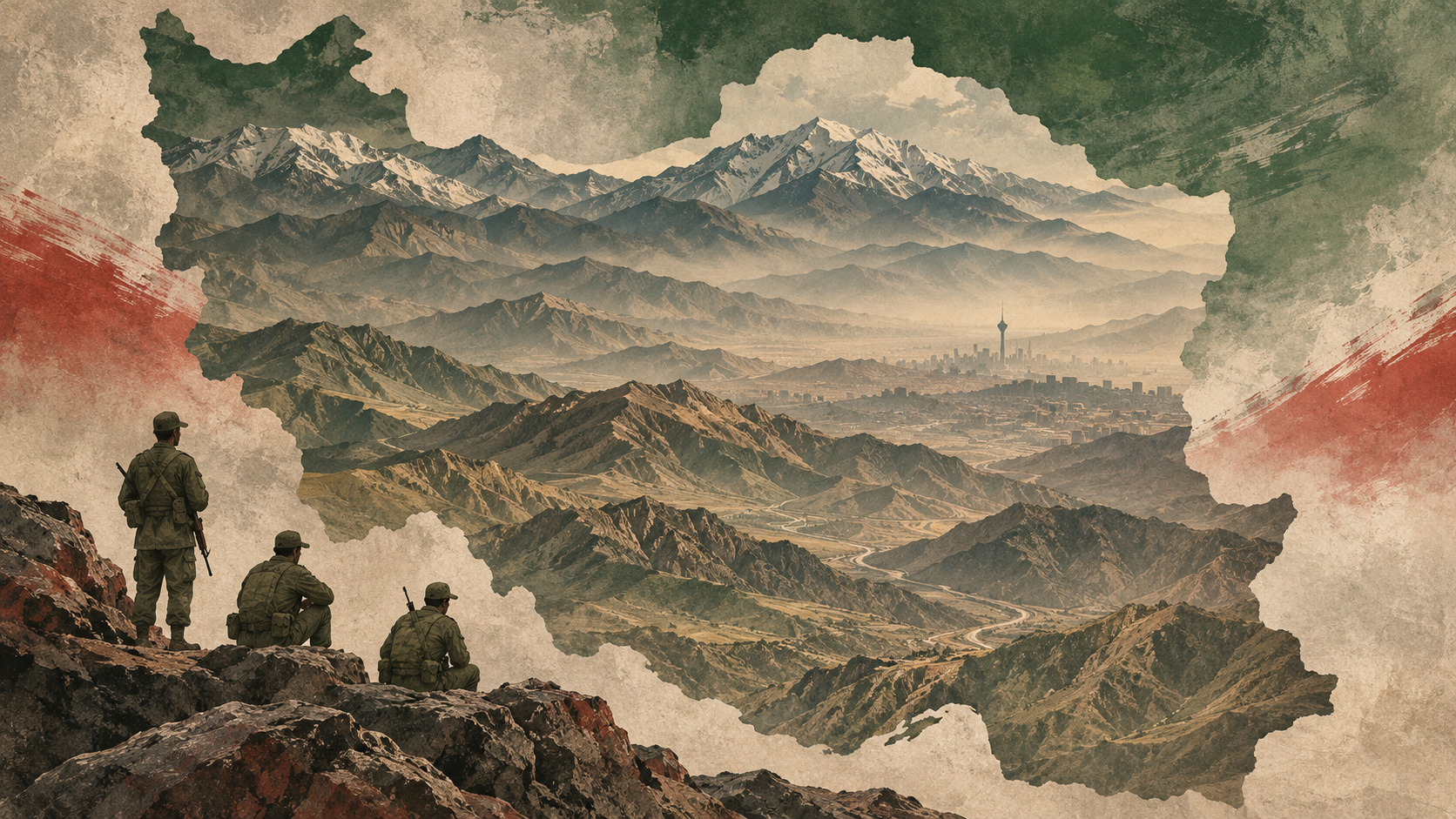
An invading army could inflict devastating losses on Iran’s Revolutionary Guards. Turning those losses into lasting political control would be a much harder task. The Islamic Revolutionary Guard Corps could lose battles and remain a formidable obstacle to anyone attempting to control Iran. That is the central distinction in assessing its ability to withstand a… Continue reading
-
Europe Has Relied on America for Decades. It Should Stand With Trump Over Iran.
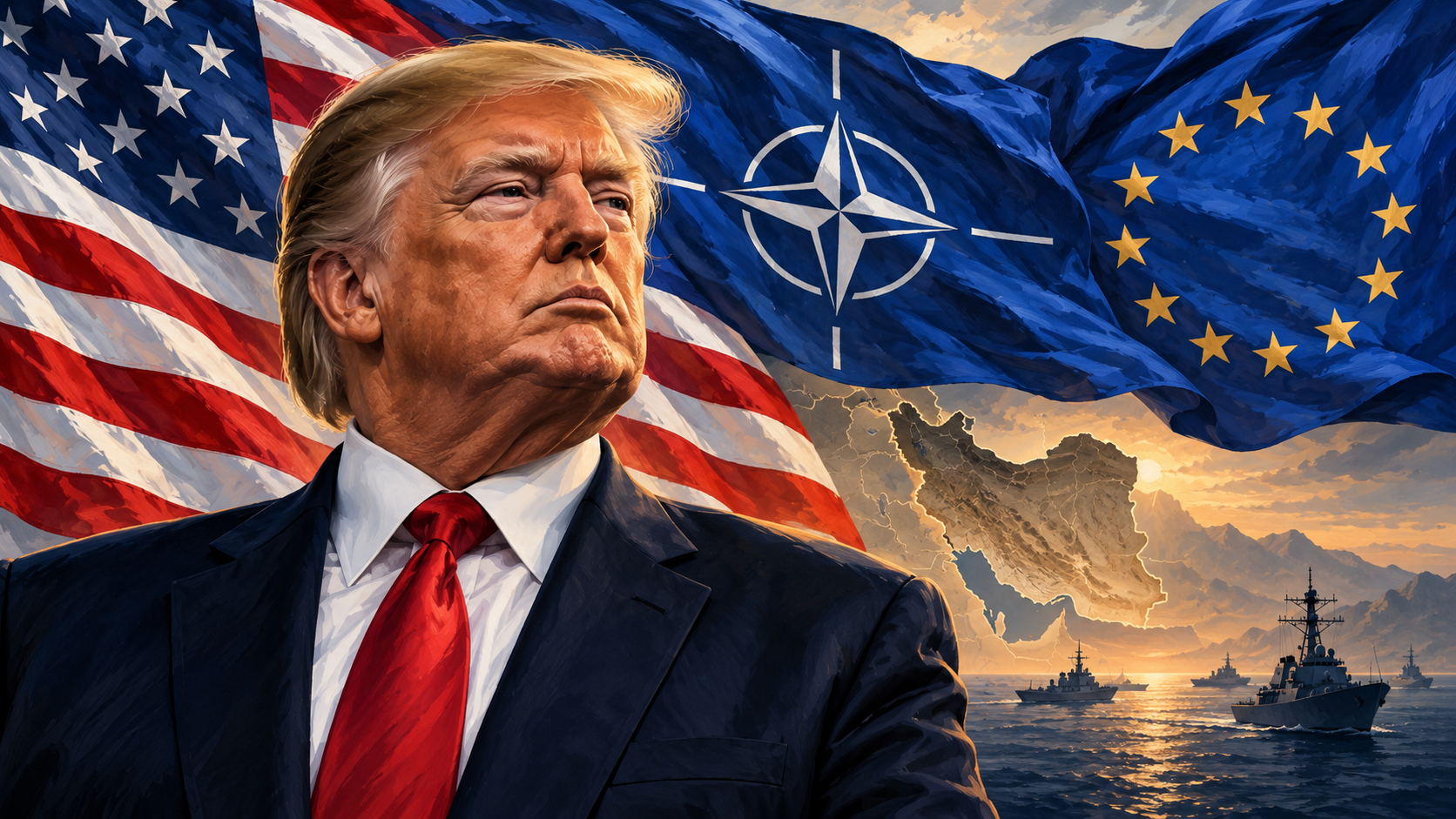
The article discusses the necessity of reciprocal support among NATO allies, particularly in light of President Trump’s conflict with Iran. It emphasizes that Europe must recognize its reliance on American military power and contribute meaningfully, through intelligence sharing and logistical aid, to uphold the alliance and ensure shared security objectives are met. Continue reading
-
Lula’s Victory Is an Opportunity Andy Burnham’s Labour Government Should Seize

Lula’s re-election in Brazil presents an opportunity for the UK’s Labour government under Andy Burnham to strengthen ties with a major economy that shares progressive values. This partnership could enhance collaboration in areas like public services, clean energy, and trade, fostering mutual growth while focusing on reducing inequality and promoting workers’ rights. Continue reading
-
Kaliningrad: Could NATO Strike First—and What Would Follow?

Russia’s Baltic exclave presents NATO with a difficult military problem. A pre-emptive attack would present Europe with a much larger one. On a map, Kaliningrad looks isolated: a piece of Russian territory on the Baltic coast, separated from mainland Russia and bordered by Poland and Lithuania. In a military briefing, that geography might suggest vulnerability.… Continue reading
-
Fairford Changes the Argument: The Case for British Military Action Against Iran

Britain’s first duty is to protect its people and its territory. When a foreign state is assessed to have directed hostile activity near a military base in England, the government must consider whether its existing response is strong enough. The incident near RAF Fairford on 27 September has brought that question into sharp focus. On… Continue reading
-
Could Further Devolution Put Britain’s UN Security Council Seat at Risk?
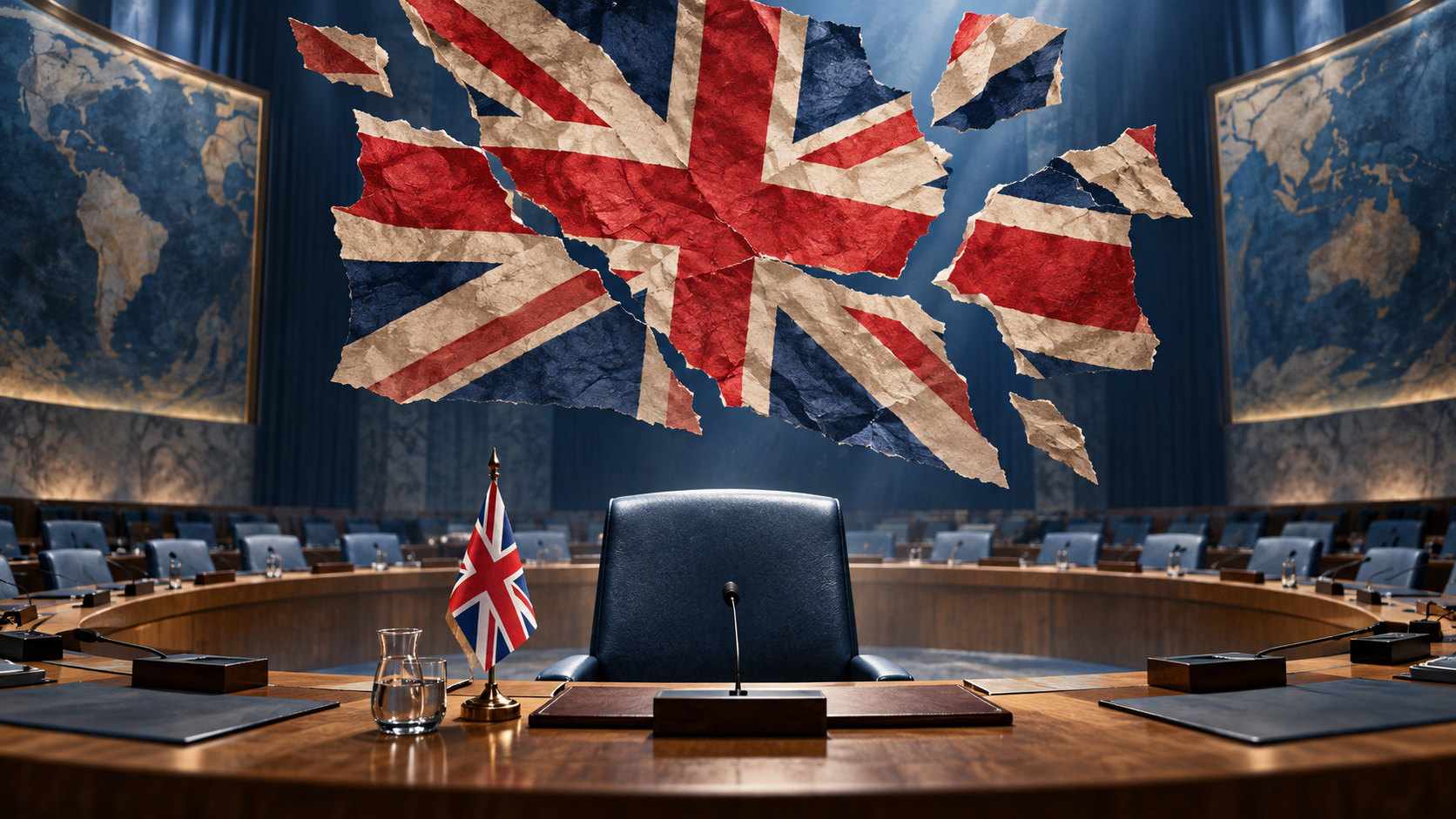
The debate on devolution in the UK raises concerns about its potential impact on Britain’s UN Security Council seat. While further devolution might not directly threaten this status, a contested breakup could jeopardize it. The challenge lies in maintaining unity and continuity, ensuring that Britain’s international influence remains intact amidst constitutional changes. Continue reading
Useful & Complete, Cheers !!! 🙏😋🤠👽👾🙌👍
… reposted this!
… reposted this!
… reposted this!

[…] What Is Acid House Music? The Sound That Changed Clubs […]