
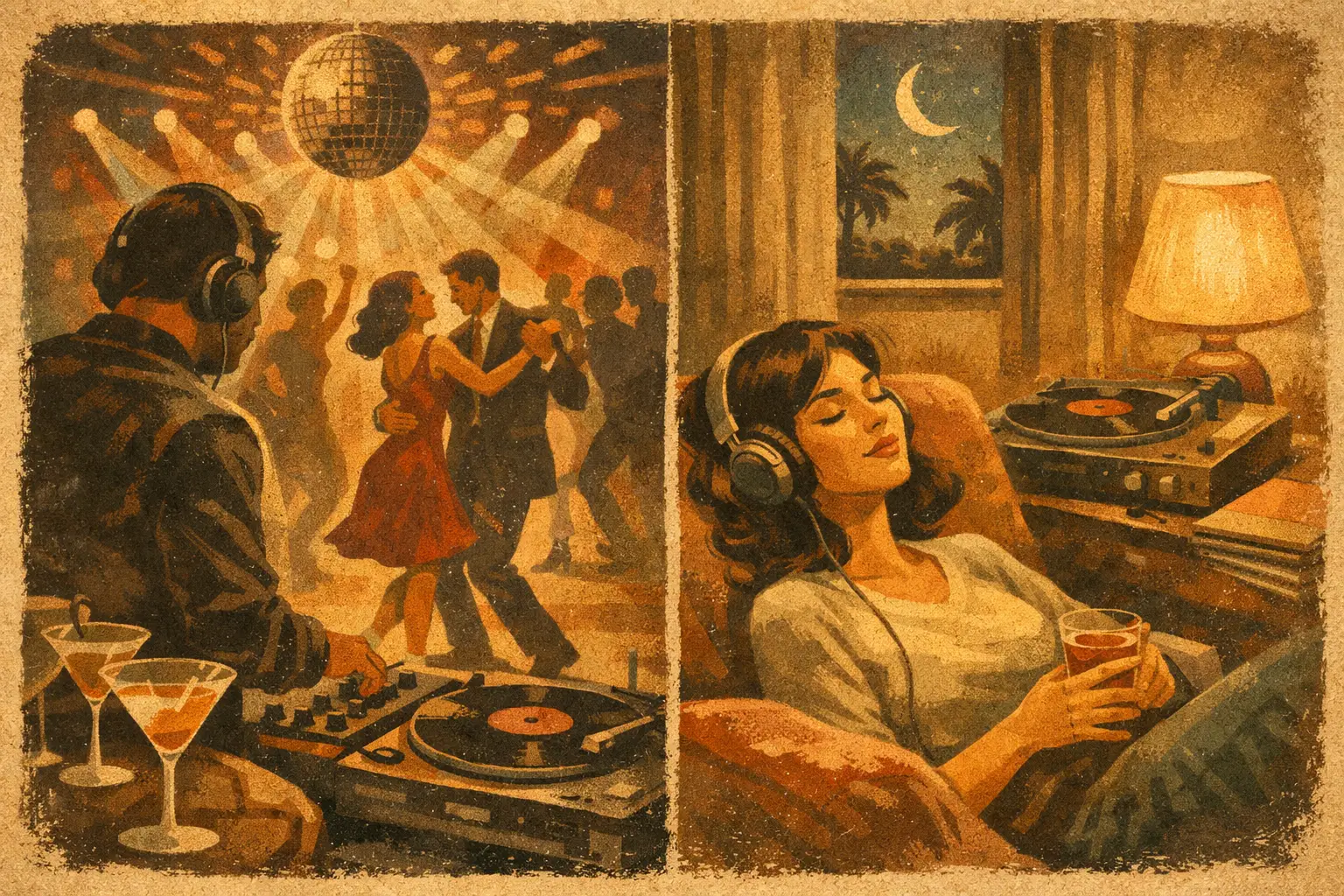
A great playlist can change the temperature of a room before anyone has said a word. The right sequence of tracks turns a late-night drive into a film scene, gives a warm-up set some proper lift, or keeps the beach energy rolling after the sun has gone down. That is why Spotify music playlists remain one of the best places to find music with a purpose, rather than simply letting an algorithm pick the next tune.
For listeners, playlists are a shortcut to a mood. For DJs, producers and independent artists, they are part of the modern record shop, radio station and word-of-mouth network all at once. The trick is knowing which playlists deserve your follow, when to trust the recommendations, and how to keep your own listening from becoming one long stream of the same sounds.
What makes Spotify music playlists worth following?
A strong playlist is not just a pile of tracks from one genre. It has pacing. It knows whether it is trying to build pressure, keep a groove moving, land a big vocal moment or ease the room back down again. Even a playlist made for background listening needs a point of view.
That matters because genre labels only tell half the story. House can mean rolling piano grooves, stripped-back late-night percussion or peak-time club energy. Techno can be atmospheric and spacious, fast and punishing, or full of melodic drama. A playlist that is curated with care gives you a feeling first, then lets the genre details do their job.
Spotify’s personalised selections are useful, especially when you are starting with a track you already love. But they can also get comfortable very quickly. If you listen to one style on repeat, the recommendations may keep circling the same small pool of artists, tempos and moods. Curated playlists help break that loop, putting established names beside new independent releases that might otherwise never hit your radar.
Start with the mood, not the genre
Searching only for a genre is the easy route, but it can lead to thousands of playlists with no clear identity. Think about where and when you are listening instead. Are you getting ready to go out, heading to the gym, travelling, hosting friends, working, or recovering from the night before? A playlist built around that moment will usually work better than a random list labelled simply ‘dance music’.
For club-minded listeners, it helps to separate the night into phases. A warm-up playlist should leave room to breathe: deep house, electro-leaning cuts, soulful vocals, understated acid lines and records with a steady pull. The main-room section can bring bigger hooks, harder drums, classic house pianos, techno tension or bass-heavy pressure. Then there is the after-hours zone, where dubby grooves, oddball remixes, chillout and leftfield tracks earn their place.
The same idea works outside the club. Summer playlists need movement and colour, not necessarily high BPM. A coastal or sunset selection can travel from downtempo electronic music to Balearic house, dreamy pop, world rhythms and laid-back vocal records without feeling scattered. The common thread is the atmosphere.
How to find playlists with a real point of view
Look beyond the biggest follower numbers. Major playlists can offer reach and a reliable flow of familiar tracks, but smaller independently curated playlists often take more risks. They may be built by DJs, radio hosts, label heads or dedicated fans who actually live with the genre week after week.
Read the title and description closely. Specific language is usually a good sign. A playlist promising ‘acid house, warehouse grooves and 303 pressure’ tells you far more than one called ‘Party Hits’. Likewise, a curator who updates regularly and keeps the track order considered is more useful than a huge playlist that has been left to gather dust.
Check the first ten tracks, but do not stop there. The opening is often designed to make a quick impression. Skip further down the list and see whether the quality holds up. If the playlist moves naturally from one track to the next, introduces artists you do not know and still gives you a reason to save favourites, it is doing its job.
It also pays to search through artist radios, related artists and the playlists held on an artist’s profile. That is often where you find the connections between scenes. One acid track can lead to a Chicago-influenced house playlist, then a set of tougher techno cuts, then a producer whose music fits perfectly into your next DJ selection.
Follow actively, rather than collecting endlessly
It is easy to follow 200 playlists and listen to none of them properly. A better approach is to keep a tighter group of reliable selections for different situations. Give them time. Notice which curators are consistently finding the goods and which lists only worked for one afternoon.
Use your library like a working record bag. Save individual tracks that genuinely hit, then make a personal playlist for each mood or set idea. You do not need to copy a playlist wholesale. Pull the tracks that fit your taste, add a few left turns, and let your own collection develop its character.
For DJs, this is particularly useful. Streaming playlists are brilliant for discovery, but they are not a substitute for preparation. Check intros and outros, energy levels, key changes and whether a track has an edited version that works better in a mix. A record can sound massive on headphones yet sit awkwardly between two tunes in a set. Test it before the dancefloor does.
Build a listening route across genres
The most exciting Spotify music playlists do not treat genres as locked rooms. They show how sounds cross over. Acid house can sit beautifully beside electro, breakbeat, classic house and raw techno. Drum and bass can move from liquid rollers into jungle textures or more electronic, cinematic territory. Hip-hop rhythms can influence club tracks just as much as a four-to-the-floor kick does.
Try building a weekly route through different styles. Start with a new-house playlist for groove and melody. Move to acid or techno when you want more edge. Bring in drum and bass for speed and impact. Finish with downtempo, chillout or beach music when the pace needs to drop without switching the feeling off completely.
This kind of listening keeps your ears open. It also makes you more useful behind the decks, in the studio or when choosing music for friends. You begin to hear details that travel between genres: a vocal texture, a percussion pattern, a bass sound or a moment of space before the beat returns.
At Wez G Music, that wide-angle approach is part of the fun. One day the mood may call for club-focused house and acid energy; the next, it may be a pop vocal, a sunlit downtempo track, a remix or a full DJ mix. The catalogue is bigger than one lane, and playlists are where those lanes can meet.
Share the tracks, not just the playlist cover
Following helps, but active support goes further. When a track lands properly, save it, add it to your own playlist and send it to someone who will understand why it matters. A friend who DJs may want the club mix. Someone on a long journey may prefer the chilled selection. One track can have different lives depending on who receives it.
This matters hugely for independent music. Playlist placements can put a release in front of fresh listeners, but saves and repeat plays signal that the track is more than a passing skip. For an artist working outside the major-label machine, that fan response can help a release keep moving after its first week.
Do not be afraid to make playlists public either. They do not have to be perfect. A good personal playlist is a snapshot of your taste at a particular time: ten tracks for a Friday night, twenty records for a drive, or the current set of tunes you cannot stop replaying. Add a clear name, keep the order intentional and update it when something better arrives.
Let the playlist lead somewhere new
The best listening sessions finish with at least one name you want to investigate further. When you find that track, go past the single. Check the artist’s other releases, remixes, mixes and collaborators. You may find a harder version for the club, a quieter B-side for home listening, or a whole new genre connection you did not expect.
Keep your playlists useful, keep your ears curious, and leave room for the unexpected. The next tune you save could be the one that changes your set, soundtracks your summer, or sends somebody else down a brilliant musical rabbit hole. CHEERS!

Leave a Reply